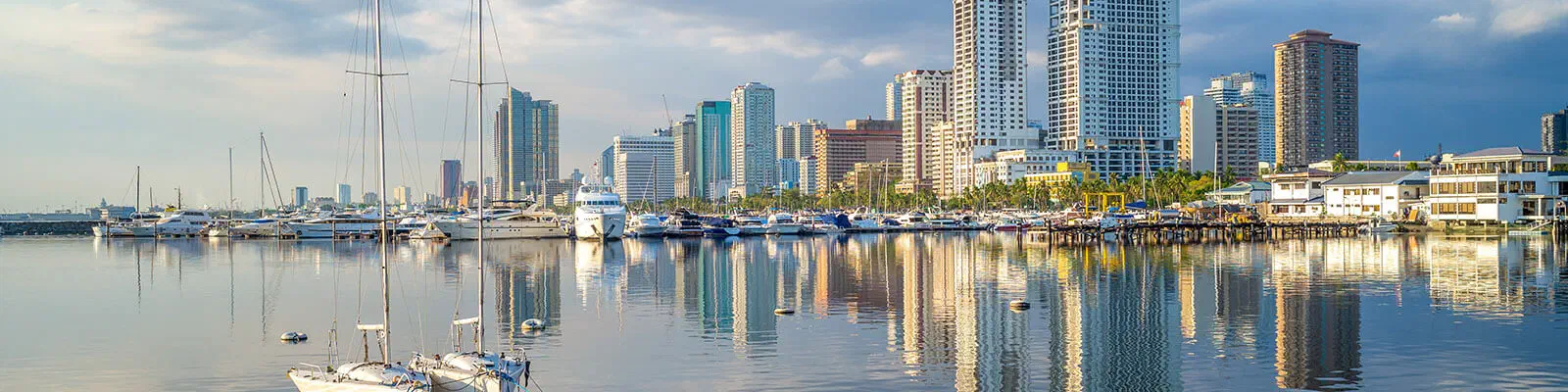
Key facts about Manila
Manila, the capital city of the Philippines, is located on the eastern shores of Manila Bay. It is situated on Luzon, the country's largest island. and is a vibrant metropolis with a rich history dating back to the 13th century. Manila was once known as Maynilad, a name derived from the "nilad plant" that grew abundantly along the riverbanks.
Manila has become an economic and cultural hub due to diverse industries like finance, tourism, and manufacturing driving the city's growth. Its architecture combines modern and traditional styles, with Spanish colonial buildings next to huge skyscrapers. The city remains a popular destination for expatriates because of its rich culture and renowned cuisine despite its heavy traffic and pollution.
Manila's cultural heritage is a source of pride for its locals:
- The city is home to the National Museum of the Philippines, which houses a vast collection of art and artifacts that showcase the country's history and culture.
- The historic fortified city of Intramuros, a cultural destination, features well-preserved colonial-era buildings and structures that glimpse the city's past.
Additionally, Manila is known for its vibrant nightlife, friendly locals, and delicious cuisine, making it a must-visit destination for anyone traveling to the Philippines.
Frequently Asked Questions about Manila
Quality of living in Manila
Manila can be ideal for expats seeking a blend of modern and traditional Filipino culture. Accommodations in the city are generally affordable. The vibe of the city offers a mix of modern amenities and traditional charm, making it a unique and exciting place to call home.
Manila has a reliable electricity and water supply. The tap water in Manila is not considered safe to drink without treatment or boiling. Power outages are rare, and there are backup generators in many buildings and residential areas
Finding accommodation as a foreigner in Manila can be relatively easy, as many options are available for different budgets and preferences. Expats can choose from various accommodations, including apartments, condos, hotels, and houses.
Manila is a walkable city with many interesting sights and attractions that can be easily explored on foot. Many of the city's neighborhoods are pedestrian-friendly, offering a unique opportunity to experience the local culture and ambiance while enjoying a leisurely stroll.
Manila is famous for its vibrant culture, delicious cuisine, and historical landmarks such as the walled city of Intramuros, Rizal Park, and the San Agustin Church. The city is also known for its shopping malls, nightlife, and entertainment options.
Manila’s Accessibility and Safety
The local transportation system in Manila is accessible through various modes of transportation. One of the significant modes of transportation is Jeepneys, which serve as a national transportation means in the Philippines and function as a mini-bus. In addition, there are also buses, taxis, and ride-hailing services available at all times. The metro also has three elevated railways - LRT-1 with 20 stations, LRT-2 with 11 stations, and MRT-3 with 11 stations, which makes commuting easy.
Manila can be challenging for people with disabilities due to the lack of infrastructure and accessibility features. Most public transportation and buildings do not have accessible facilities, and sidewalks are often uneven and cluttered with obstacles.
Manila has its share of safety concerns, the most common issues include pickpocketing, scams, and traffic accidents. We advise foreigners to exercise caution when traveling and living in the city. Many expats living and working in Manila have no issues about safety and find the city welcoming and hospitable.
Manila has several healthcare facilities catering to expats, including St. Luke's Medical Center, Asian Hospital and Medical Center, and Makati Medical Center. These hospitals are equipped with modern facilities and have English-speaking staff.
Expat Areas in Manila, Philippines
If you are an expat looking to move to Manila, several neighborhoods should be considered. Here are five of the most suitable areas that cater to the needs of expats:
Makati “The Business District”
Makati, founded in 1670, is located in the heart of Manila, known for its lively urban lifestyle and an impressive skyline filled with towering skyscrapers. The area offers various accommodation options, from modern high-rise apartments to cozy condos and townhouses. Makati is ideal for expatriates who enjoy the urban lifestyle with vibrant nightlife, world-class shopping centers, and many international restaurants and bars, Additionally, the area is home to many international businesses like Ayala Corporation and JPMorgan Chase, making it a hub for professionals and entrepreneurs.
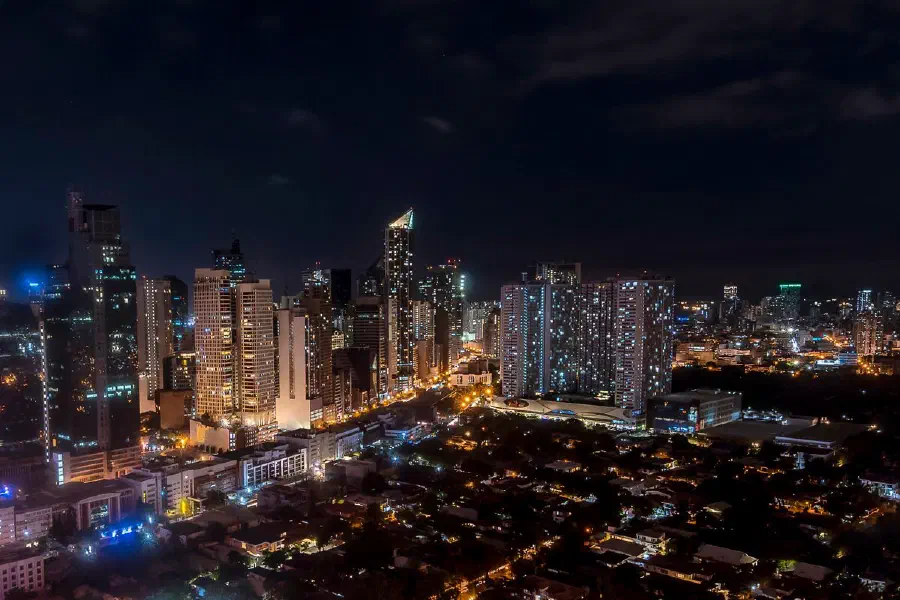
What type of accommodation can you find in Makati?
Makati primarily offers standard to exclusive options, with only limited low-cost choices. Apartments are suitable for couples or a small family of three, while most houses have four to five bedrooms, making them ideal for larger families with four or more members. Moreover, Makati is home to some of the most renowned gated communities that provide round-the-clock security, including the exclusive Forbes Park. The city is well-connected to the metro, and public transportation options like jeepneys and tricycles are widely available.
See accomodations prices in Makati CityWhat to do in Makati?
"Art enthusiasts can visit the Ayala Museum, which showcases Filipino art and history collections. The district is also home to several private clubs and golf courses, such as the Makati Sports Club, which offers a range of sports and recreational facilities. Expats can send their children to Beacon International School Foundation, which offers holistic education for foreign learners."
Who is Makati best for?
"We highly recommend Makati as an ideal location for expatriates seeking a metropolitan vibe and high-end accommodation. This city is known for its upscale facilities, infrastructure, and booming businesses. We also recommend Makati for expat families, especially if their kids attend Lasalle College International or the Australian International School."
Bonifacio Global City “The High-End Neighborhood”
BGC is a bustling business district and upscale neighborhood in Taguig City, Metro Manila. Founded in 1995, it is known for its high-end shopping centers, exclusive residential buildings, and international restaurants. BGC is also home to several art galleries, such as the Ayala Museum and the Mind Museum, which offer many exhibitions.
BGC also has many parks and green spaces, including the famous Bonifacio High Street Central Park, which hosts various events and activities throughout the year. In addition, BGC is home to several private clubs and golf clubs, such as the Manila Golf and Country Club, one of the oldest and most prestigious golf clubs in the Philippines.
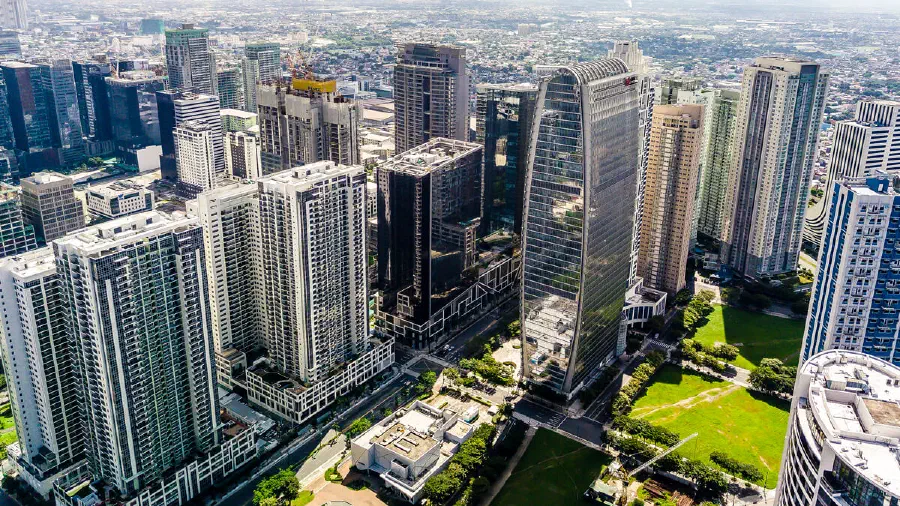
What type of accommodation can you find in BGC?
BGC primarily offers high-end accommodation options. The area comprises mostly upscale residential buildings and condominiums, with modern amenities and top-notch facilities such as swimming pools, fitness centers, and 24/7 security. Accommodation in the area ranges from 80 to 350 square meters, with two to five bedrooms.
BGC also boasts a few gated communities, including the famous McKinley Hill Village, and many serviced apartments and townhouses that offer a spacious area. BGC's proximity to the metro provides easy access to major roads and highways, and the area's public transportation system is well-served with readily available buses, jeepneys, and taxis for convenient travel.
See accomodations prices in BGCWhat to do in BGC?
We recommend visiting the Fort Strip, a popular spot in BGC, for dining and entertainment. This area is filled with a wide range of restaurants, bars, and clubs, including the famous Revel at the Palace. International schools are also prominent in BGC, making it a great place for families with children. The area is home to several quality educational institution such as, the International School Manila, Korean International School Philippines, Chinese International School.
Who is BGC best for?
We highly recommend BGC for single or couple expats looking for an exclusive lifestyle. It is also ideal for foreign families because of the quality of international schools. BGC is also recommended to those seeking more spacious and comfortable living experiences near business centers.
Quezon City “The Democratic City”
Quezon City, located in the northern part of Metro Manila, is the largest city in the Philippines in terms of land area. The city is known for its rich history and culture, bustling urban centers, lively nightlife, and scenic parks. The city is home to several shopping malls, including the famous SM City North EDSA and the upscale Ayala Vertis North, which offer a wide range of dining, shopping, and entertainment options. The University of the Philippines Diliman, one of the best universities in the Philippines, is also located in Quezon City.
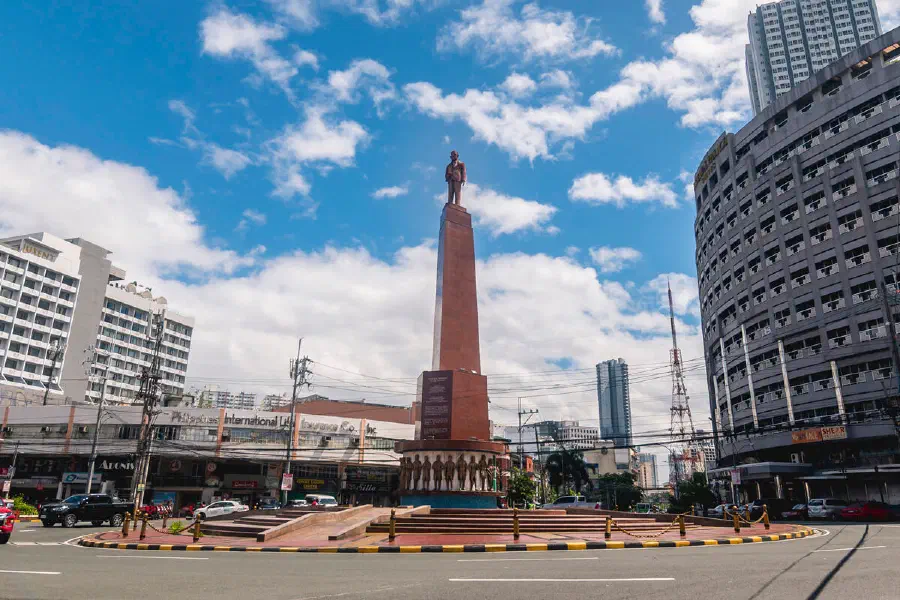
What type of accommodation can you find in Quezon City?
Quezon City offers various accommodations, but entry and mid-level types are common. Apartments typically have two bedrooms, while houses have four bedrooms. The city has many gated communities, including Ayala Heights, located near the city center. Additionally, Quezon City is highly accessible and has various modes of transportation running throughout the city, making it convenient for expatriates to travel around.
See accomodations prices in Quezon CityWhat to do in Quezon City?
A must-see attraction in Quezon City is the Art in Island 3D museum, where guests can take interactive photos with 3D artworks. The area also features EDSA, a famous road where the historic People Power Revolution took place to gain democracy in the country. The Bantayog ng mga Bayani monument and museum honors the Filipino heroes and martyrs who fought for democracy and freedom during the Martial Law period is a historical attraction in the city.
Quezon City also features several private clubs and sports facilities, including the Wack Wack Golf and Country Club and Celebrity Sports Club. There are not many international schools in the area. You may have a look at Starland International School, but it is quite a small school
Who is Quezon City best for?
We recommend Quezon City for global nomads and young couples looking for more affordable accommodation in a well-connected area of Manila with a wide range of activities to do. It may not be the best area for families due to the lack of international schools; look into BGC and Ortigas instead. We do not recommend owning a vehicle in this neighborhood, as EDSA is known for its heavy traffic.
Ortigas “District of Commerce”
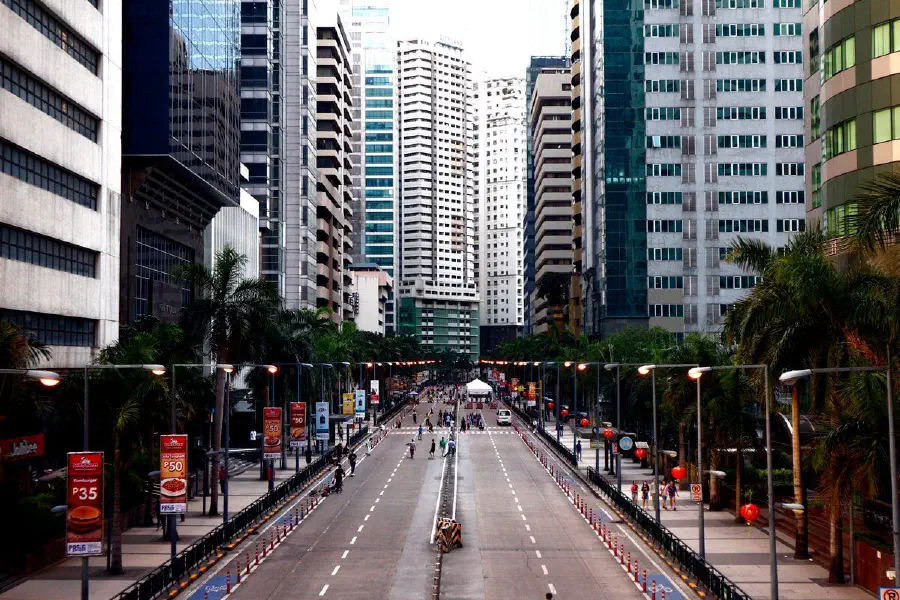
Ortigas, located in Pasig City, is a vibrant residential district in Metro Manila. Towering skyscrapers dot the skyline, making it an impressive sight both day and night. The area is known for its lively atmosphere, modern infrastructure, and diverse range of establishments that cater to all sorts of interests. It is also near to Kapitolyo, a village in Pasig City with a great selection of dining and shopping options
What type of accommodation can you find in Ortigas?
Ortigas offers mostly budget-friendly accommodations with a few high-end options. The area is home to numerous residential buildings and condominiums. The accommodation in the area ranges from 40 to 150 square meters, with studio-type to three-bedroom units.
One of the biggest gated communities in the country such as Valle Verde, offering a more spacious and exclusive living environment. In terms of accessibility, Ortigas is highly connected to major roads and highways, with several access points to EDSA, C5, and Ortigas Avenue. Public transportation options are readily available, including buses, jeepneys, and taxis, and the Ortigas MRT Station also serves the area.
See accomodations prices in OrtigasWhat to do in Ortigas?
Ortigas also boasts an impressive collection of museums and art galleries, such as the Lopez Museum and Library, a must-visit destination for art and history enthusiasts. The area features notable private clubs and golf courses. The area is also home to several international schools, catering to the diverse expat community in Ortigas. The Brent International School, an IB World School, offering an excellent education for students from kindergarten to high school.
Who is Ortigas best for?
We highly recommend Ortigas for expat families who are seeking a modern and cosmopolitan lifestyle in Manila while keeping their living costs relatively lower than in other neighborhoods. It is particularly a great place for expatriates with children as there is an excellent international school in the area.
Alabang “The Modern Suburb”
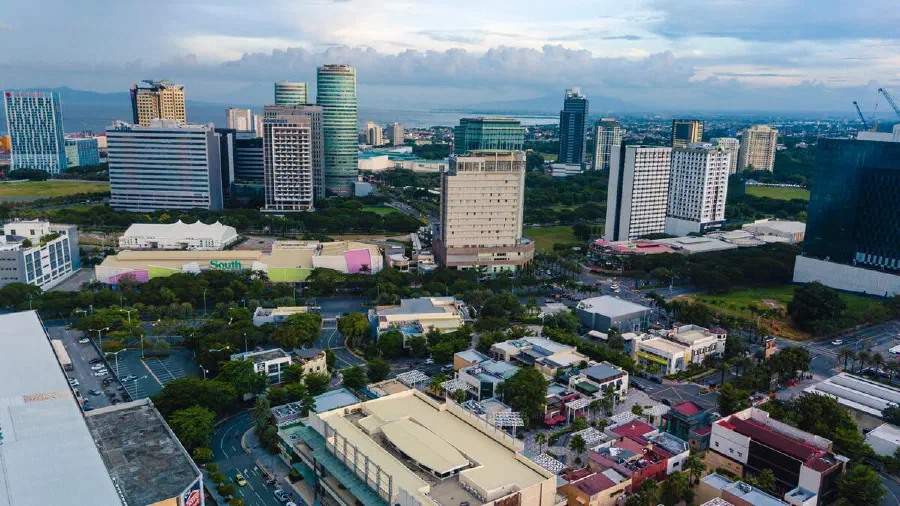
Alabang is a peaceful suburb located in the southern part of Metro Manila. The area has plenty of residential spaces, with tree-lined streets and modern skyscrapers. The area has a lively atmosphere, making it a great place to live, work, and play. The iconic landmark, Alabang Town Center, a shopping complex with budget-friendly shops, restaurants, and entertainment options is a must visit spot in the City. Also, the Filinvest City Events Ground in Alabang is a popular venue for concerts, festivals, and other cultural events.
What type of accommodation can you find in Alabang?
Alabang offers a range of accommodation options, from entry-level to standard units. The size of apartments and condo in the area ranges from 40 to 150 square meters, with studio to three-bedroom units. Houses in Alabang are generally spacious, with five to six bedrooms that ranges from 250 to 600 square meters.
There are a few gated communities, including the notable Ayala Alabang Village, known for its proximity to community amenities. However, gated-communities in Alabang can only be accessed through private cars or shuttle services, as public transportation options may be limited.
See accomodations prices in AlabangWhat to do in Alabang?
Alabang is also home to some of the most exclusive private clubs in the country, such as the Palms Country Club and the Alabang Country Club. These clubs offer world-class facilities such as golf courses, swimming pools, tennis courts, fine dining restaurants, and bars. Foreigners can send their children to De La Salle Santiago Zobel School or MIT International School, offering top-notch education and a diverse community of students worldwide.
Who is Alabang best for?
We highly recommend Alabang for expatriates who want to experience a modern city lifestyle with a relaxed suburban feel and some cultural and entertainment activities. It is an ideal Expats living in gated communities should consider getting a car for convenient and easy accessibility to all the area has to offer.