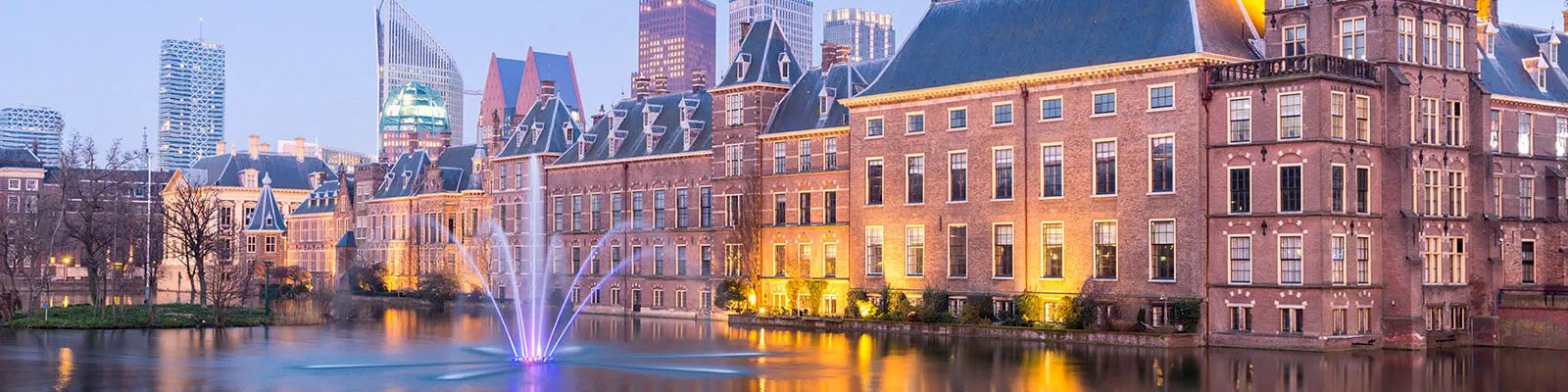
Key facts about The Hague
The Hague, situated western coast of the Netherlands, is a vibrant and historic city with a rich cultural heritage. It is known as the "judicial capital of the world" and is home to various international courts and organizations, such as The International Court of Justice and the International Criminal Court. The city derives its name from the Dutch word "hage", meaning "hedge" or "enclosed woodland", which reflects its historical origins as a hunting ground for the counts of Holland. The Hague has become a thriving cosmopolitan city, offering expatriates a holistic living experience, from cultural attractions to thriving residential areas.
The architecture and style of The Hague draw inspiration from traditional Dutch designs and contemporary elements. The city offers a high quality of life, well-developed infrastructure, efficient public transportation, and a thriving cultural scene. The city's diverse economy includes sectors such as finance, technology, international organizations, and tourism, providing ample employment opportunities. The city has a relatively low unemployment rate, owing to the presence of international organizations and the continuous growth of its business sector.
The Hague is home to several internationally recognized cultural attractions:
- The Mauritshuis, an art museum housed in a 17th-century palace, exhibits masterpieces such as Vermeer's "Girl with a Pearl Earring" and Rembrandt's "The Anatomy Lesson of Dr. Nicolaes Tulp."
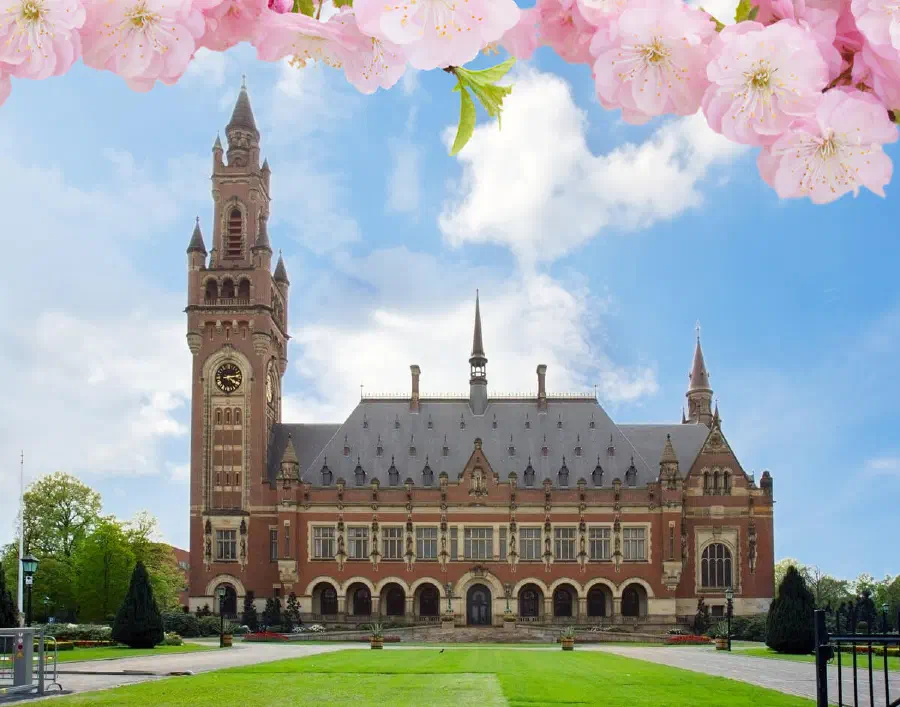
- Another notable site is the Peace Palace, which serves as the headquarters for the International Court of Justice.
The city is renowned globally for its commitment to justice, peace, and diplomacy, fostering a reputation as a hub for international law and human rights. The Hague continually implements movements and initiatives, such as investments in renewable energy, urban planning projects, and promoting cultural diversity and inclusivity.
Frequently Asked Questions about The Hague
Quality of living in The Hague
Yes, The Hague is a good place to live, offering a rich cultural scene and a thriving economy. Expats in The Hague can enjoy a diverse range of cultural activities, including world-class museums, art galleries, and theaters. It also provides a multicultural environment, making it easier for expatriates to integrate into the local community.
The Hague has reliable availability of public services, including reliable electricity, water, and internet. The city has well-maintained infrastructure and dedicated traffic officers, ensuring smooth traffic flow and public safety. The drinking water in The Hague meets high-quality standards and is potable, providing residents with safe and clean water for consumption.
Finding accommodation as a foreigner in The Hague can be relatively easy, as the city offers various options. Expats can choose from rental apartments, houses, or even serviced apartments. We recommend expats looking for long-term tenancy to make advance reservations in popular areas such as the city center, Scheveningen, or neighborhoods like Statenkwartier and Bezuidenhout.
The Hague is a walkable city, with a well-designed urban layout and pedestrian-friendly infrastructure. The city center and many neighborhoods are easily navigable on foot, with well-maintained sidewalks, dedicated cycling lanes, and accessible public transportation. One of the most famous walkable parks in the city is the Haagse Bos, a picturesque forest near the city center, offering walking paths and green spaces.
The Hague is famous for its role as an international hub for peace and justice. The city is known for hosting numerous international institutions and organizations, including the International Court of Justice and the International Criminal Court, contributing to its reputation as the "City of Peace and Justice". The Hague's dedication to diplomacy, human rights, and international law has solidified its position as a respected and influential city on the global stage.
The Hague's Accessibility and Safety
The local transportation system in The Hague is well-developed and efficient. It includes an extensive network of buses, trams, and trains, operated by HTM and NS. Specific routes and names of popular tram lines include tram 1 (Scheveningen to Delft), tram 2 (Kraayenstein to Leidschendam), and tram 9 (Scheveningen to Vrederust). These transportation options provide convenient access to various parts of the city, making it easy to navigate and explore.
The Hague is generally accessible for people with disabilities, although accessibility may vary across different areas and establishments. Many public buildings, transportation services, and facilities have implemented measures to accommodate individuals with disabilities. However, we advise individuals with specific accessibility needs, such as the Deaf, Blind, Mobility Impaired, or those on the Autism spectrum, to research and plan accordingly to ensure a comfortable and accessible experience during their visit to The Hague.
The Hague is considered a safe city for foreigners. The streets are generally well-lit and maintained, enhancing visibility and safety day and night. The city has a dedicated police force, known as the Haaglanden Politie, ensuring law enforcement and maintaining public safety. Additionally, safety officers and surveillance systems are present in various public spaces. The Hague also has well-equipped fire departments, ready to respond to emergencies and ensure public safety.
The Hague offers quality healthcare facilities for expatriates. The healthcare facilities we recommend for expatriates are HMC Westeinde, International Health Center The Hague, and VitaSana. These hospitals have specialized departments and experienced medical professionals who cater to the diverse healthcare needs of expatriates.
Expat Areas in The Hague, Netherlands
Welcome to The Hague, a delightful city in the Netherlands, which features different neighborhoods to fit your lifestyle. Each neighborhood in The Hague boasts its own distinct atmosphere and amenities, catering to the diverse preferences of expatriates. We have handpicked the following neighborhoods for your convenience:
Statenkwartier “The International Quarter”
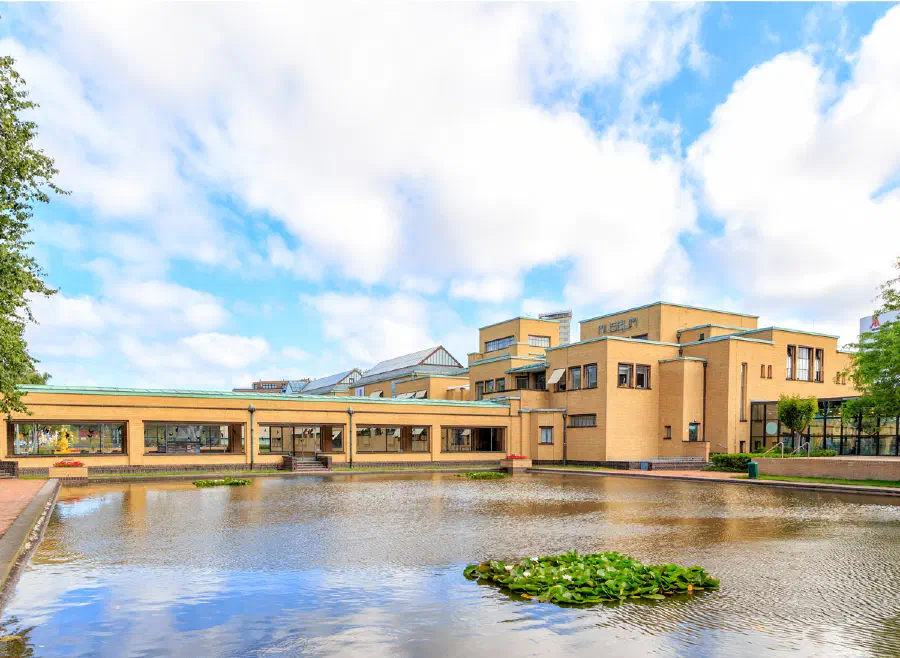
Statenkwartier is a well-established neighborhood located in The Hague. Expatriates in this area can engage in various activities such as exploring the local shops and cafes, visiting cultural attractions, and enjoying the nearby beach. The area features modern infrastructure, with amenities including schools, healthcare facilities, and public transportation readily available. The atmosphere of the neighborhood is cosmopolitan, reflecting its international character and the trademark of its historical architecture.
What type of accommodation can you find in Statenkwartier?
The accommodations in Statenkwartier are mostly standard and upscale apartments, with few houses available. Residential areas are primarily located around Frederik Hendriklaan, also known as "De Fred", which is a bustling street with a wide range of shops and restaurants. Accommodations in the area usually consist of three to five bedrooms, with average sizes ranging from 90 to 250 square meters.
We recommend for expatriates looking for an exclusive living arrangement to look into Julia's Park, which offers penthouses and modern houses with amenities, such as parking spaces, personal gardens, security, and maintenance personnel. Statenkwartier is well-connected to public transportation, including the tram and bus networks, making it easy to access other parts of The Hague.
See accomodations prices in StatenkwartierWhat to do in Statenkwartier?
The Kunstmuseum Den Haag is one of the best museums in the area, featuring a diverse collection of modern and contemporary art. We recommend physically active expatriates to look into StatenSport, one of the best modern fitness centers in the country that offers unique yoga classes, Zumba and endurance training. The nearby Scheveningse Bosjes is a beautiful park where expats can enjoy leisurely walks and picnics. Expatriates can send their children to Duitse Internationale School, a reputable school that fosters a tolerant multicultural environment and quality education.
Who is Statenkwartier best for?
We recommend Statenkwartier to various types of expatriates, including families, couples, and individuals seeking a vibrant and international community. The area offers a balanced lifestyle, quiet residential streets and various activities. It is particularly recommended for large foreign families due to the presence of international schools, the family-friendly vibe of the area, and the availability of spacious accommodations.
Archipelbuurt “The Elegant Center”
Archipelbuurt is a charming neighborhood located in the central district, which is known for its beautiful administrative palace and historical significance. Expatriates in this area can engage in various activities such as exploring the local parks and gardens, visiting art galleries, and enjoying the vibrant dining scene. Expats in the area can expect a well-developed infrastructure, with amenities including schools, healthcare facilities, and wide-range of public transportation. The atmosphere of the neighborhood is elegant, reflecting its architectural beauty and the trademark of its leafy streets.
What type of accommodation can you find in Archipelbuurt?
The most common type of accommodation in Archipelbuurt is upscale apartments and exclusive townhouses. The residential areas are primarily concentrated around the central part of the neighborhood, particularly near the Javastraat and Bankastraat. The apartments in this area typically have two to three bedrooms, with an average size ranging from 80 to 150 square meters. Additionally, there are other residential options available, including spacious single-family homes and mansions, which are mainly located closer to the edge of the neighborhood, ranging from 170 to 300 square meters.
See accomodations prices in ArchipelbuurtWhat to do in Archipelbuurt?
We recommend expatriates to visit Plein 1813, a charming square surrounded by restaurants and cafes, and Lange Voorhout, a tree-lined avenue known for its annual art and antique fair. Expatriates can also visit the renowned restaurants in the area, such as Restaurant De Tapperij. Foreigners looking for recreational activities can explore nearby parks like Park Sorghvliet or take a leisurely walk along the Scheveningse Bosjes. Foreigners can look into the HSV International and Dutch Primary School, catering to the educational needs of elementary foreign learners.
Who is Archipelbuurt best for?
We recommend Archipelbuurt for expatriates seeking a refined and culturally rich environment. The area offers a balanced lifestyle, featuring peaceful residential streets with the vibrancy of nearby attractions. It is ideal for foreign families due to the availability of spacious accommodations, clean environment and international schools. We only recommend owning a vehicle for expatriates who have business outside the district for their convenience and to save time.
Benoordenhout“The Park Quarter”
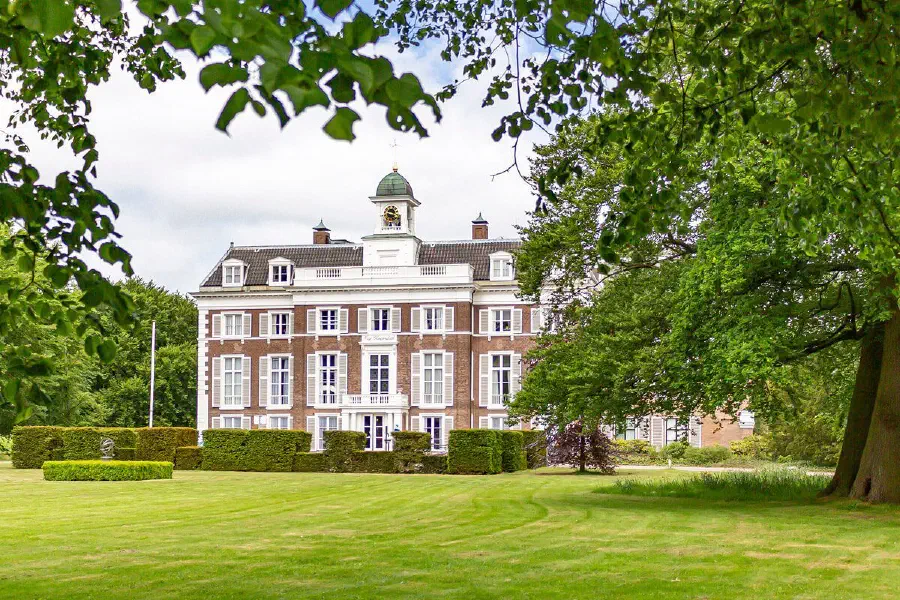
Benoordenhout is a well-established neighborhood known for its peaceful atmosphere and affluent residential area. Expatriates in this area often engage in activities such as exploring the nearby parks and nature reserves, visiting local shops and cafes on cobbled streets, and taking leisurely strolls along the tree-lined streets. Foreigners in the neighborhood can expect a well-developed infrastructure, with amenities including schools, healthcare facilities, and convenient access to public transportation. The neighborhood exudes an elegant and vintage vibe, reflecting its charming residential character.
What type of accommodation can you find in Benoordenhout?
The most common types of accommodation in Benoordenhout are primarily in the standard to upscale range. Residential areas are predominantly located around Van Hoytemastraat and Juliana van Stolberglaan, which are centrally situated within the neighborhood. Apartments in Benoordenhout usually consist of one to three bedrooms, with average sizes ranging from 60 to 150 square meters.
One of the best residential complexes in Benoordenhout is Park Hoog Oostduin, offering modern apartments with amenities such as private parking and communal facilities. Expatriates in the area are conveniently near the HMC Antoniushove, renowned for its quality medical services and specialized care. Benoordenhout is conveniently located near public transportation, including tram and bus lines, providing easy access to other parts of The Hague.
See accomodations prices in BenoordenhoutWhat to do in Benoordenhout?
We recommend expatriates to visit Brasserie Berlage, an exquisite restaurant offering a blend of international and Dutch cuisine, as well as Clingendael Park, a relaxing park with beautiful gardens, athletic park and walking trails. The nearby Scheveningen beach offers a range of recreational activities, including beach sports, water activities, and beachside dining. Expatriates can send their children to The British School in The Netherlands (BSN), one of the prominent international schools within the area, providing high-quality education for international students.
Who is Benoordenhout best for?
We recommend Benoordenhout to various types of expatriates, including families, couples, and individuals seeking a laid-back and upscale environment. The area offers quiet residential areas with convenient access to amenities and green spaces. We highly recommend the neighborhood to foreign families due to the availability of international schools, nature-centric environment, and the spaciousness of accommodations.
Zeeheldenkwartier“The Culture Quarter”
Zeeheldenkwartier originated as a historic district known as one of the oldest districts in the city with a vibrant atmosphere. Expatriates in this area often engage in various activities such as exploring the local shops and boutiques, dining at trendy restaurants, and visiting art galleries and exhibitions. Expatriates can expect a well-developed infrastructure in Zeeheldenkwartier, with amenities including schools, healthcare facilities, and convenient access to public transportation. The neighborhood vibe is bohemian, with its characteristic artistic flair and frequent cultural events.
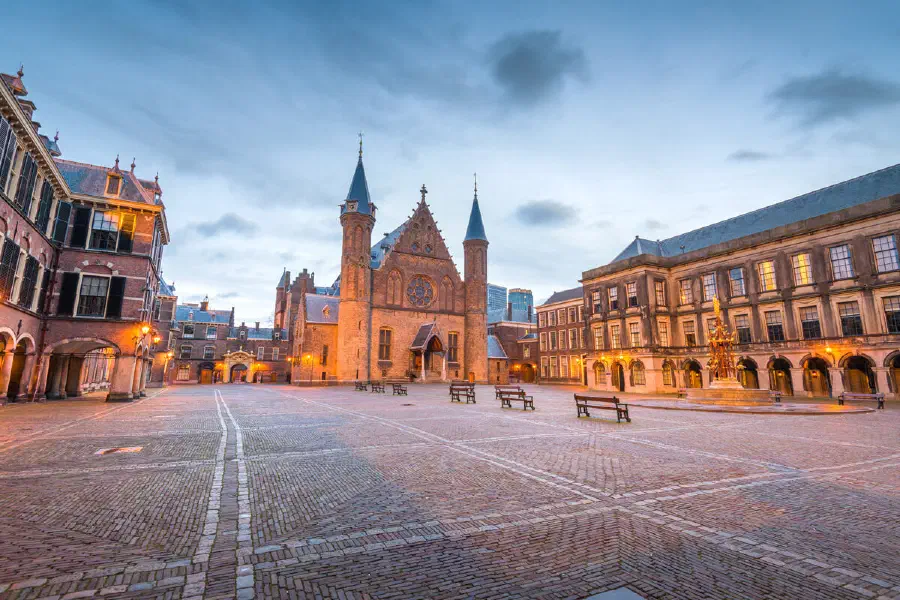
What type of accommodation can you find in Zeeheldenkwartier?
Zeeheldenkwartier offers different kinds of accommodation from entry-level apartments to upscale townhouses. The residential areas are primarily concentrated in the central and northern parts of the neighborhood, particularly around Prins Hendrikstraat and Piet Heinstraat. Apartments in this area typically have one to three bedrooms, with average sizes ranging from 50 to 100 square meters. Additionally, there are other residential options available, such as studios or shared housing, mainly located along the outskirts of the neighborhood.
See accomodations prices in ZeeheldenkwartierWhat to do in Zeeheldenkwartier?
Home to several museums, such as Museumhuis De Quack, featuring a historic mansion and elegant interior designs. We recommend expatriates who are into musicals and circus performances to visit Zeeheldentheater, famous for their live performances and events. Also, we recommend for outdoor enthusiasts the Zorgvliet, which offers beautiful gardens and scenic walking paths. Expatriates can send their children to European School The Hague, offering quality education with a multicultural and a multilingual environment to foreign learners.
Who is Zeeheldenkwartier best for?
We recommend Zeeheldenkwartier for expatriates looking for a lively and creative neighborhood. It is particularly recommended for global nomads and young couples because of the wide-range of activities available and convenience brought by modern amenities. Owning a vehicle is not necessary in Zeeheldenkwartier, as the neighborhood is well-connected by public transportation, making it convenient for expatriates to navigate the city.
Segbroek “The Harmonious District”
Segbroek is situated in the northern part of the city center, known for its beaches and urban neighborhoods. Expatriates in the area can engage in various activities such as exploring the abundant green spaces, going to the beach, dining at local restaurants, and relaxing at the seaside pubs. Foreigners will benefit from the reliable infrastructure in this neighborhood. The atmosphere of the neighborhood is relaxed and vibrant, offering proximity to the central district while also having access to nature.
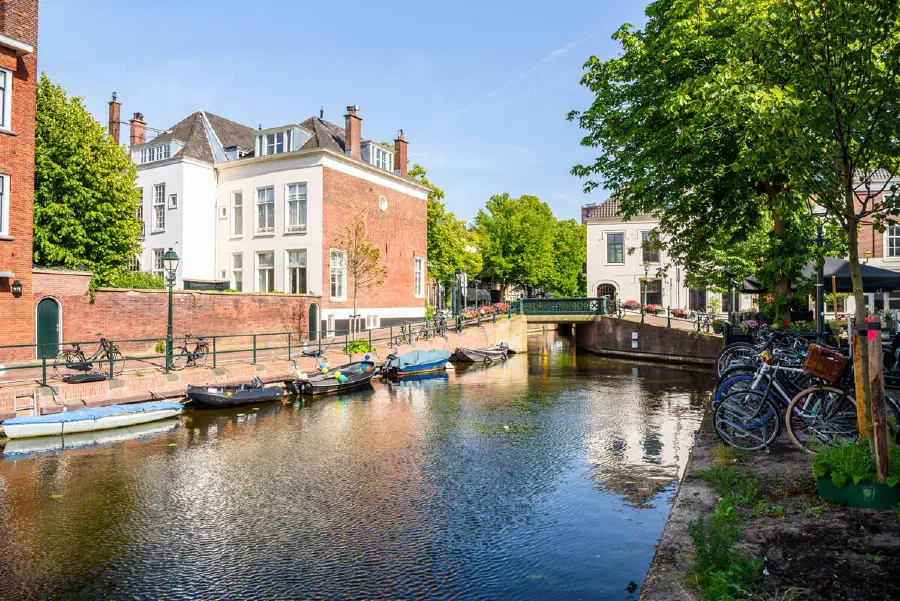
What type of accommodation can you find in Rotterdam-West?
The accommodations in Segbroek are reasonably priced and offer comfortable living spaces. Apartments in the district are mostly located in the neighborhoods of Bomenbuurt and Bomenbuurt. The average size of apartments is around 80-150 square meters, and they usually have two to three bedrooms. Expats can also find other options like townhouses and villas in the Regentessekwartier neighborhood.
See accomodations prices in SegbroekWhat to do in Segbroek?
Expatriates who are into fashion can visit the Virtual Shoe Museum, which showcases a vast collection of unique shoes. We recommend expats to try the local cuisine at one of the best restaurants in Segbroek, such as the Restaurant PEX, which allows customers to dine while enjoying the beauty of nature. The area offers outdoor recreational activities, such as cycling, hiking, and swimming. There are limited options for international school within the area but expatriates can send their children to Duitse Internationale School, which is conveniently located in the neighboring area of Archipelbuurt.
Who is Segbroek best for?
We recommend Segbroek to expatriates who are looking to live in a peaceful and nature-surrounded area while being conveniently near the city center. The neighborhood is also suitable for global nomads and couples because of the availability of lively recreational activities. Expat families will find the district suitable as it is is conducive to learning and has spacious accommodations. A vehicle is not necessary to live in the area because of the availability of public transportation, but it can be useful for those who always travel outside the district.