Key facts about Rome
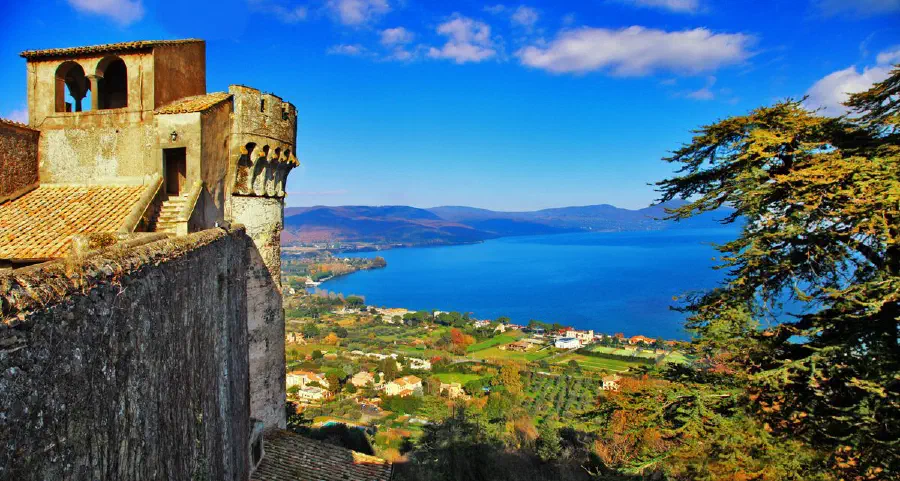
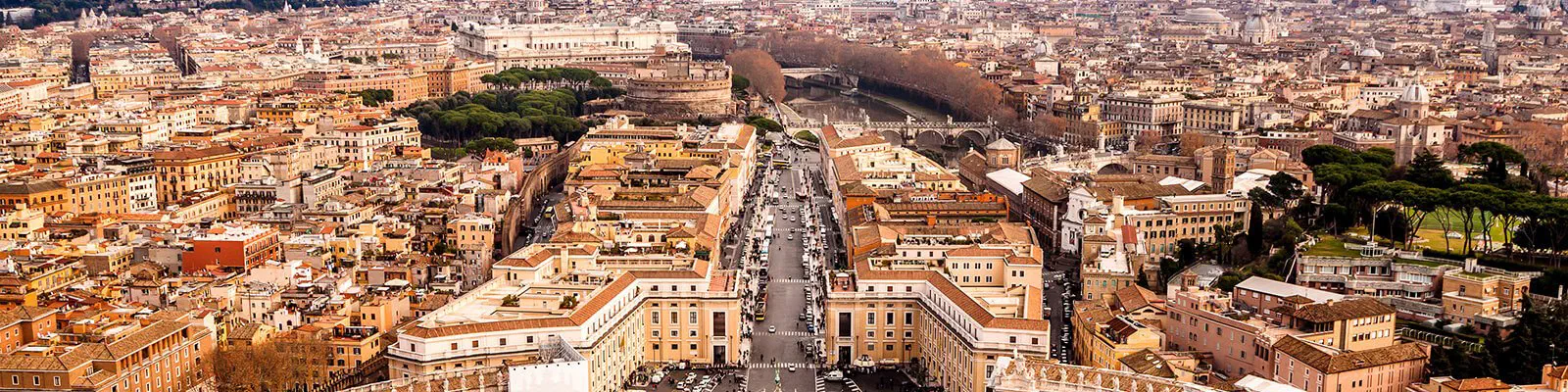
Rome, The Eternal City, is located in the central region of the country. Rome boasts a prime geographic location that has contributed to its historical significance and appeal. The city is surrounded by beautiful hills along the Tiber River, providing scenic views for exploration and discovery. Rome's rich and important history, spanning over two millennia, makes it a captivating destination. The name "Rome" originates from the legendary figure Romulus, the city's founder, adding to its mythical charm
The architecture and style of Rome is considered one of the best in the world and history. The city boasts a mesmerizing mix of ancient ruins, Renaissance palaces, and modern structures. The streets of Rome are renowned for their enchanting design, lined with elegant shops and cafes. Rome's economy is robust and diverse, offering ample opportunities for business and career growth. This economic prosperity translates into a high quality of life, with quality healthcare, education, and infrastructure.
Rome features several significant and world-renowned cultural heritage:
- The Colosseum, stands as an enduring symbol of Rome's ancient past, once hosting spectacular gladiatorial contests and grand events.
- The Vatican City, featuring the majestic St. Peter's Basilica and the remarkable Vatican Museums, holds immense religious and artistic significance.
Rome is globally recognized as a center of art, history, and civilization, renowned for its contributions to architecture, literature, and the arts throughout the ages. Its reputation as a cultural capital continues to draw millions of visitors who seek to immerse themselves in its rich heritage.
Frequently Asked Questions about Rome
Quality of living in Rome
Yes, Cologne is a great place to live. It offers a high quality of life with a vibrant cultural scene, good infrastructure, and an active community. Expats can enjoy a diverse range of activities, festivals, and events, along with a thriving job market and numerous career opportunities.
Rome has a good availability of public services such as electricity, water, and internet. The infrastructure for these services is well-established and reliable, ensuring a comfortable living experience.
Finding accommodation as a foreigner in Rome can be moderately challenging, but there are a lot of options available. Expatriates can rent apartments that are tailored to their choice to match their preferences and requirements. Furthermore, shared housing alternatives, serviced apartments, or residing in hotels can be an option depending on the preferred budget and lifestyle.
Rome is a highly walkable city, known for its pedestrian-friendly streets and well-preserved historical sites. Its compact city center allows residents and visitors to explore iconic landmarks, charming neighborhoods, and vibrant markets on foot, offering a delightful and immersive experience.
Rome is famous for its rich history, ancient ruins such as the Colosseum and Roman Forum, as well as its impressive Renaissance and Baroque architecture. The city is renowned for its art and culture, including masterpieces by Michelangelo and Caravaggio. Rome's gastronomy, featuring dishes like pasta, pizza, and gelato, is celebrated worldwide, adding to its global fame.
Rome's Accessibility and Safety
Rome has an extensive local transportation system that includes buses, trams,taxis, and metro. The buses cover a wide range of routes throughout the city, while the metro system consists of three lines (A, B, and C) that provide efficient transportation within the city center and surrounding areas. Additionally, the tram network offers convenient connections to various neighborhoods and landmarks.
Rome's historical infrastructure and cobblestone streets, combined with limited accessibility features in buildings, contribute to the city's reputation as being less wheelchair friendly. Rome has made significant improvements in accessibility for people with disabilities, although a lot of challenges may still exist in historic areas. Most of the public buildings, tourist sites, and transportation facilities have implemented measures to enhance accessibility, such as ramps, elevators, and designated parking spaces.
Rome is generally considered safe for foreigners. The city has a lot of police stations, and law enforcement officers actively patrol the city day and night. Additionally, Rome's streets are generally well-lit, particularly in popular areas and cultural destinations.
Rome offers a range of healthcare facilities that cater to expatriates' needs. Private hospitals and clinics provide high-quality medical services, often with English-speaking staff and international standards of care. Some recommended expatriate healthcare facilities in Rome include the Gemelli Hospital, which is known for its quality in medical care and research, and the Salvator Mundi International Hospital, which specializes in offering healthcare services to international patients.
Expat Areas in Rome, Italy
Rome presents a diverse selection of captivating neighborhoods, each tailored to the unique needs of expatriates. Whether you desire for a vibrant urban area in the heart of the city or a peaceful suburban neighborhood, Rome boasts an abundance of neighborhoods to accommodate a variety of housing preferences. Explore our handpicked recommendations of neighborhoods in Rome based on your needs:
Trastevere “The Bohemian Neighborhood”
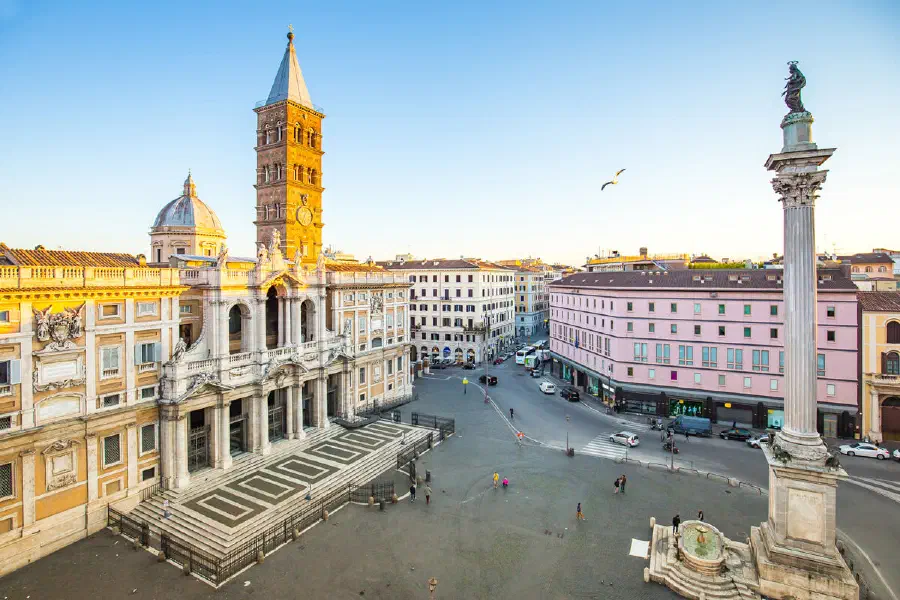
Trastevere, which derives its name from the Latin words "Trans Tiberim", meaning "beyond the Tiber River", is a beautiful and historic neighborhood in Rome. Expats in the area can enjoy exploring the charming streets, dining at local trattorias, and savoring the visiting historical attractions. The Piazza di Santa Maria in the neighborhood, known for its beautiful Basilica of Santa Maria is a popular cultural destination in the area. The neighborhood exudes a bohemian vibe with its artistic ambiance, narrow cobbled streets, eclectic shops, and colorful street performances.
What type of accommodation can you find in Trastevere?
Expats can find a range of accommodation options in Trastevere, from cozy apartments to spacious residences. The most common type of accommodation is mid-level apartments, but there are premium options available as well. Most apartments and houses in the area have two to three bedrooms, with sizes ranging from 70 to 100 square meters, that cater to comfortable urban living. Expat families looking for bigger and more exclusive accommodation can look into the Trastevere Gianicolo area for Family Villas.
See accomodations prices in TrastevereWhat to do in Trastevere?
Trastevere boasts several historic museums, including the Villa Farnesina, which showcases exquisite Renaissance frescoes by Raphael. Foreigners looking for recreation can visit the Belvedere del Gianicolo, which is a historically significant spot providing panoramic views of the city. The international Schools in Trastevere are only suitable for collegiate students and post-graduates.
Who is Trastevere best for?
Trastevere is recommended for expats who seek modern amenities and a culturally rich environment. It is highly recommended to global nomads and couples, as it offers a vibrant atmosphere and a wide range of entertainment options. It offers a good balance between quiet and liveliness, with peaceful residential streets coexisting with bustling areas.
Foreign families with younger children are recommended to look for other districts with good international schools such as Aurelio. A vehicle is not necessary for living in Trastevere, while a metro line may not directly serve it, the area is still well-served by public transportation, including buses and trams, allowing easy access to other parts of Rome.
Testaccio "The Gastronomic Hub"
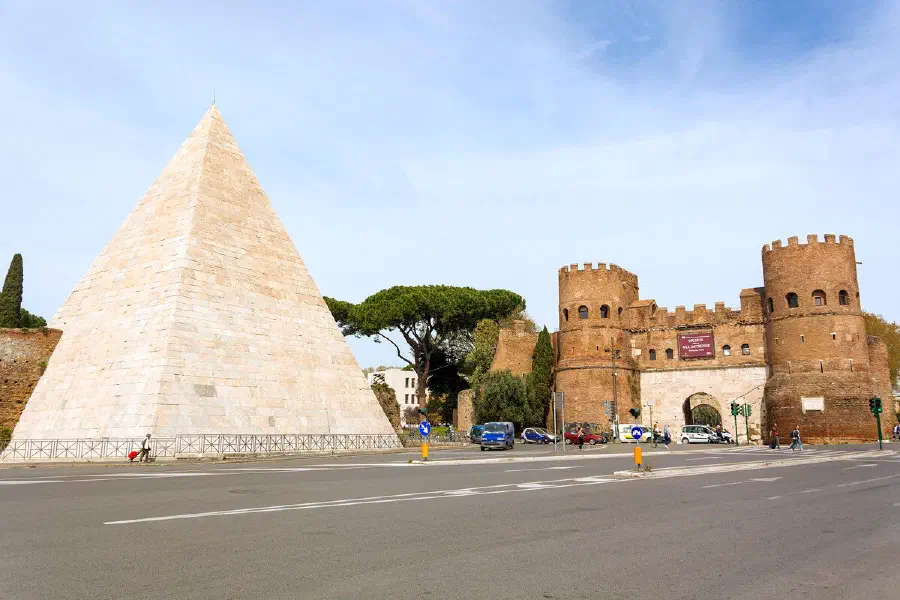
Testaccio is a historic district named after the ancient Roman "testae", or amphorae fragments, that were used to construct the artificial hill in the area. Expatriates in Testaccio can immerse themselves in the local food and entertainment scene. The neighborhood is renowned for its vibrant food market where expats can indulge in a variety of fresh produce, meats, and traditional Italian delicacies. The area has a lively and energetic atmosphere with a mix of traditional and modern influences.
What type of accommodation can you find in Testaccio?
Testaccio offers a range of options to suit different budgets. The area mostly features entry-level and standard apartments, with just a few luxurious options available. The size of the apartments in Testaccio ranges from 60 to 80 square meters, and generally, expats can find apartments with one to two bedrooms. The neighborhood benefits from its proximity to the Piramide metro station, making it easy for expats to access public transportation and navigate the city.
See accomodations prices in TestaccioWhat to do in Testaccio?
Testaccio is home to several notable museums, including the Museum of the Via Ostiense, which showcases the history and development of the ancient Via Ostiense. Another prominent museum is the MACRO Testaccio, a contemporary art museum that hosts exhibitions featuring innovative artworks. Expats can enjoy the Lungotevere Testaccio, a riverside promenade where expats can leisurely walk, jog, or cycle while admiring the Tiber River and its charming views.
We highly recommend visiting the Monte Testaccio, an artificial hill made up of ancient Roman amphorae fragments. This unique landmark offers a glimpse into the area's rich historical heritage.
Who is Testaccio best for?
We recommend Testaccio to expats who are looking for a lively and vibrant neighborhood with a rich cultural heritage. It is suitable for digital nomads and expat couples who enjoy an energetic atmosphere with a thriving nightlife and diverse dining options. Even with the thriving nightlife, Testaccio is relatively quieter compared to some other areas of Rome, making it a good choice for those seeking a balance between liveliness and peacefulness.
There are no international schools within the neighborhood. Still, St. Stephen School, found just in the boundary of Aventino, provides quality education for foreign families, making it a good place to stay for expat families.
Aurelio "The Residential Neighborhood"
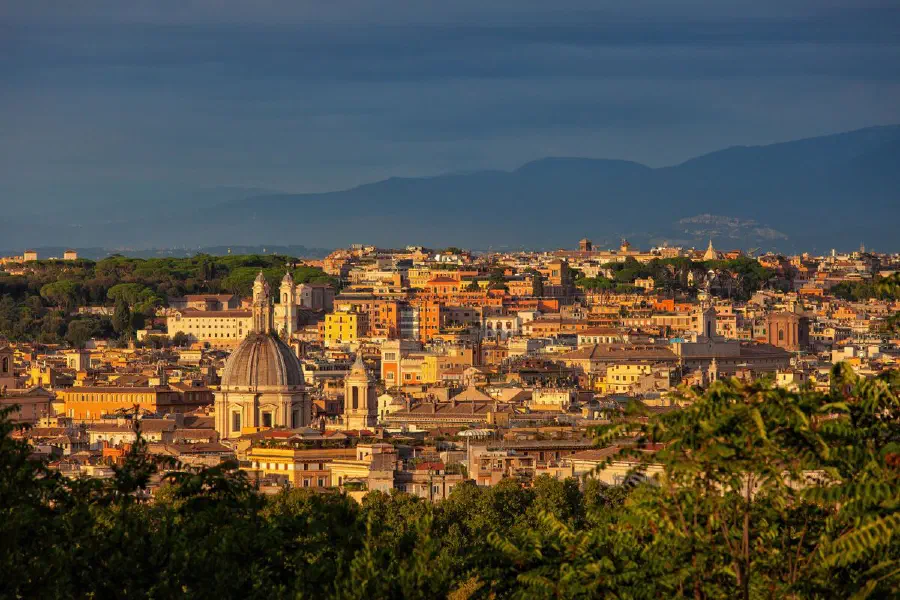
Aurelio is a residential district located in the western part of Rome, offering relaxed and family-friendly atmosphere. The area is known for its green spaces, parks, and tree-lined streets, providing a peaceful environment for residents. Expats can visit the local markets, shops, and cafes, and immerse themselves in the authentic Roman lifestyle. The area also offers easy access to the historic Vatican City, located nearby, making it a popular residential area for foreigners and locals alike.
What type of accommodation can you find in Aurelio?
The accommodation options in Aurelio are mostly shared apartments. The rates of accommodation in the area are reasonably priced while being spacious. The apartments are typically within 70 to 120 square meters, with three or more bedrooms, depending on the size of the apartments. The area is well-connected to the metro system, with the Cornelia station providing easy access to public transportation.
See accomodations prices in AurelioWhat to do in Aurelio?
Foreigners in Aurelio have easy access to the Vatican City, including the Vatican Museums, which house an extensive collection of art and historical artifacts, and the famous Sistine Chapel. Expatriates looking for fitness centers can look into Virgin Active Roma Valle Aurelia, a modern fitness club that offers different courses live or online famous for tailored workouts. The area is also home to St George's British International School, a renowned school following the International Baccalaureate (IB) curriculum.
Who is Aurelio best for?
We recommend Aurelio to expat families and individuals looking for a quiet and accessible area. The schools in Aurelio, including the St. George's British International School, are well-regarded and provide quality education for expat families. A vehicle is not necessary for everyday life in Aurelio due to the availability of public transportation and proximity to essential amenities.
Centro Storico “The Eternal Center”
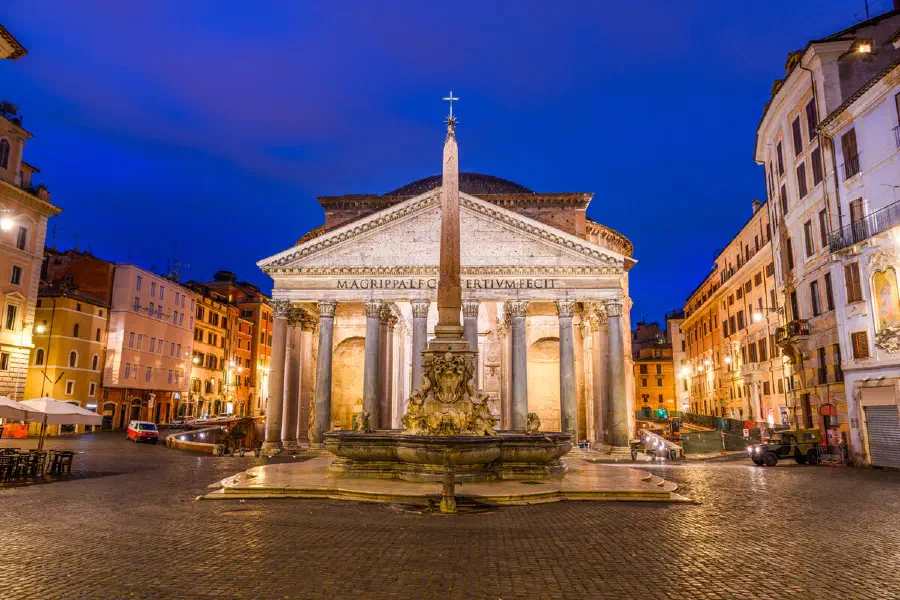
Centro Storico, which means "historic center" in Italian, is the heart of Rome and one of the most iconic areas in the city. Foreigners living in the area have the privilege of residing in the midst of Rome's ancient ruins, magnificent architecture, and vibrant atmosphere. The area is characterized by its narrow cobblestone streets, picturesque piazzas, and historical landmarks such as the Colosseum, Roman Forum and Castel Sant'Angelo.
What type of accommodation can you find in Centro Storico?
The most common type of accommodation in Centro Storico ranges from standard to premium apartments. The historic buildings in this area often feature unique architectural details, such as frescoes and vaulted ceilings. The size of the apartments ranges between 30 to 70 square meters with 1 to 2 bedrooms, it is common to find smaller living spaces compared to other districts due to the historical nature of the buildings. The area is well-served by public transportation, including metro stations like Spagna and Barberini, making it easily accessible for expatriates.
See accomodations prices in Centro StoricoWhat to do in Centro Storico?
Centro Storico offers several historical museums and cultural attractions. Some of the best museums located within the area include the Capitoline Museums, showcasing an extensive collection of Roman art and artifacts, and the Ara Pacis Museum, dedicated to the ancient Altar of Peace. Foreigners can also visit The Pantheon, a famous ancient Roman temple renowned for its remarkable architecture. Expats looking to learn a new language can enroll in the highly-rated International Language School of Rome.
Who is Centro Storico best for?
We recommend Centro Storico to expats who seek an immersive experience and convenience brought by being in the center of the city. This area is particularly suitable for young couples and digital nomads who appreciate the charm and vibrancy of a bustling city surrounded by ancient landmarks. The neighborhood can be crowded and there is a lack of international schools. Therefore, we do not recommend Centro Storico for foreign families with children; instead, we suggest exploring neighborhoods like Aurelio.
EUR “The Business District”
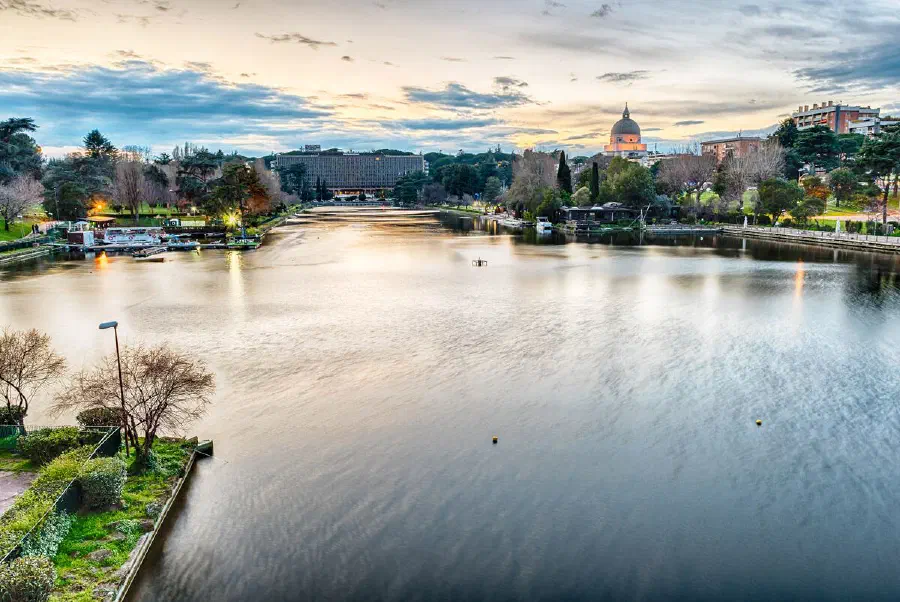
EUR, stands for Esposizione Universale Roma, was originally designed to host a world exposition in Rome in 1942. The area is also and home to major corporations government entities like Eni, UniCredit, and the Ministries of Health and Communications. EUR is a modern residential neighborhood characterized by its architectural beauty and green spaces.
Expats in the area can engage in activities such as cycling or jogging in the spacious parks. The atmosphere of EUR is calm and sophisticated, offering residents a pleasant and well-planned living environment.
What type of accommodation can you find in EUR?
The most common type of accommodation in EUR ranges from mid-level to premium apartments. These apartments are known for their modern design, and spacious layouts ranging from 70 to 120 square meters. There are various units available, from one-bedroom to larger accommodation consisting of five or more bedrooms. Additionally, there are some detached villas and townhouses available for those seeking larger living spaces in the area.
See accomodations prices in EURWhat to do in EUR?
One of the must-visit museums is the National Museum of the Early Middle Ages, which houses a collection of artifacts from the early medieval period. Another notable museum is the Museum of Roman Civilization, showcasing exhibits on ancient Roman history and culture. Expats can also engage in various activities at Palazzo dello Sport Roma, a multi-purpose indoor arena that offers opportunities for sports, entertainment, and cultural events. Expatriates with children can send them to Highlands Institute Roma, one of the best schools in the area, providing high-quality education for foreign children.
Who is EUR best for?
We recommend EUR to expat families, couples, and individuals who seek a modern and multicultural residential area with easy access to business opportunities. EUR is highly recommended to foreign professionals who have a business or are employed by multinational companies or public sectors found in the area. The international schools found in the area offer quality education for expat families. The area is well-connected to the metro and bus lines, allowing residents to navigate the city conveniently.
Olgiata “Prestigious Country Side”
We recommend Olgiata as an ideal residential area for expats who are nature lovers or retired individuals seeking to live away from the city center of Rome. The area situated on the outskirts of the city, offering a peaceful and exclusive living environment surrounded by lush greenery and beautiful landscapes. The neighborhood is upscale as it is known for its prestigious villas in exclusive gated communities.
Olgiata is particularly attractive to those who appreciate a suburban lifestyle and desire ample space and privacy. The area is home to Olgiata Golf Club, one of the largest golf courses in Rome, making it an ideal area for golf enthusiasts. Expats can indulge in outdoor activities and sports, including golfing, tennis, and equestrian pursuits. The districts proximity to nature makes it an ideal place for expats looking to enjoy a relaxed retirement or immerse themselves in the beauty of the surrounding countryside.