
Key facts about Rio de Janeiro
Rio de Janeiro, also called Marvelous City, is located on the southeastern coast of Brazil. It is situated between lush mountains and the sparkling Atlantic Ocean. The city offers breathtaking views with various activities that accompany its great climate. This city is significant in Brazil's history, having served as the country's capital until 1960. Rio de Janeiro has been a cradle of cultural, political, and economic development, shaping the nation's identity.
The city's architecture was influenced by Portuguese colonial, French Belle Epoque, and modernist elements. Rio de Janeiro has become a popular destination for expatriates seeking an enriching and fulfilling place to reside because of its cultural diversity, lively atmosphere, and natural beauty. The city has implemented various movements and initiatives to enhance safety, infrastructure, and sustainability. Projects such as the Porto Maravilha revitalization, which transformed the port area into a modern urban space, and the expansion of the metro system, aim to improve transportation and accessibility.
The most significant and famous landmarks in Rio de Janeiro are:
- Christ the Redeemer, perched atop Corcovado Mountain, is an iconic city symbol and offers panoramic views of Rio and its stunning coastline.
- The Sugarloaf Mountain, with its distinctive shape, is a must-visit destination known for its cable car ride and picturesque vistas.
- Rio de Janeiro is renowned worldwide for its vibrant Carnival celebrations, where samba schools compete in elaborate parades, showcasing their creativity, music, and dance.
- Additionally, the welcoming people, known as "Cariocas", embody the cities’ laid-back and joyful spirit.
The city has implemented various projects to enhance sustainability, including eco-friendly transportation options, green spaces, and initiatives to reduce carbon emissions.
Frequently Asked Questions about Rio de Janeiro
Quality of living in Rio de Janeiro
Yes, Rio de Janeiro is a good place to live for expatriates. Expats can enjoy a high quality of life with access to good healthcare facilities, a wide range of amenities, and an extensive transportation system. Rio de Janeiro has a resilient economy despite facing inflation problems. There are still ample opportunities for employment and entrepreneurship, particularly in industrial sectors and tourism.
Rio de Janeiro generally has good availability of public services such as electricity, water, and internet. The city's infrastructure supports reliable electricity supply, and access to clean drinking water is generally available. Internet connectivity is widely accessible, with various providers offering high-speed internet options.
Finding accommodation as a foreigner in Rio de Janeiro can be relatively easy, with various options available. Expats can choose to rent apartments or houses in different neighborhoods throughout the city. There are also serviced apartments and short-term rentals available for those seeking temporary accommodation.
Rio de Janeiro can be a walkable city, especially in certain neighborhoods. The city's flat terrain and pleasant climate make it conducive for walking. Neighborhoods like Copacabana and Ipanema are particularly pedestrian-friendly, with wide sidewalks and a plethora of shops, restaurants, and cafes within walking distance. One of the most famous walkable parks in the city is Aterro do Flamengo, a waterfront park that offers beautiful views, green spaces, and recreational activities for pedestrians to enjoy.
Rio de Janeiro is famous for its stunning beaches, vibrant Carnival celebrations, and the iconic Christ the Redeemer statue. The city's beaches, including Copacabana and Ipanema, are renowned worldwide and attract visitors from far and wide. The Carnival is an internationally recognized event, showcasing the city's rich cultural heritage and festive spirit.
Rio de Janeiro's Accessibility and Safety
Rio de Janeiro has been working towards improving accessibility for individuals with disabilities, including those who are deaf, blind, or have mobility impairments. Efforts have been made to enhance accessibility features in public spaces and transportation. For individuals who are deaf or hard of hearing, some buses and metro stations have visual and auditory announcements to assist with navigation. Additionally, there are tactile paving and guide strips in certain areas to aid individuals with visual impairments.
Rio de Janeiro has been working towards improving accessibility for individuals with disabilities, including those who are deaf, blind, or have mobility impairments. Efforts have been made to enhance accessibility features in public spaces and transportation. For individuals who are deaf or hard of hearing, some buses and metro stations have visual and auditory announcements to assist with navigation. Additionally, there are tactile paving and guide strips in certain areas to aid individuals with visual impairments.
Rio de Janeiro is considered generally safe for foreigners. The city has a visible police presence, especially in densely populated areas. The streets are also well-lit, contributing to a sense of security.
Rio de Janeiro offers a range of healthcare facilities for expatriates. We particularly recommend Hospital Samaritano and Hospital CopaStar, which are renowned for their high-quality medical services and English-speaking staff. These hospitals are suitable for expatriates due to their modern facilities, advanced medical technology, and specialized departments.
Expat Areas in Rio de Janeiro, Brazil
Rio de Janeiro boasts a selection of remarkable neighborhoods that offer expatriates a diverse and unique living experience. These neighborhoods have their own distinctive charm and offer a range of accommodations to suit various preferences. Check out our recommendations:
Ipanema “The Coastal Paradise”
Ipanema, home of the famous Ipanema Beach, is an upscale neighborhood in Rio de Janeiro. Expatriates can enjoy beach activities, such as sunbathing, playing beach volleyball, and savoring the local cuisine at beachside kiosks. One of the most famous destinations in Ipanema is Arpoador, a rocky outcrop known for its breathtaking sunset views. The neighborhood exudes a lively and multicultural vibe, attracting a diverse crowd of locals and expatriates.

What type of accommodation can you find in Ipanema?
The most common accommodation options in Ipanema are premium apartments and penthouse units. The size of the apartments varies, but they generally offer comfortable living spaces. Houses are less common in this area, but the modern apartments offer swimming pools, 24-hour security, concierge, and fitness centers. The size of apartments in Ipanema is usually above 120 square meters with three to five bedrooms. The neighborhood is near the metro system, with the General Osorio station as a convenient transportation hub.
See accomodations prices in IpanemaWhat to do in Ipanema?
Ipanema is home to several noteworthy museums, including the H. Stern Museum, which showcases the artistry of jewelry making, and the Casa de Cultura Laura Alvim, an exhibition space for contemporary art. We recommend expatriates indulge in the culinary delights of Ipanema, with restaurants like Zaza Bistro offering fusion cuisine and Aprazivel providing a unique dining experience with breathtaking views. The neighborhood also offers opportunities for outdoor activities, such as beach sports, jogging along the promenade, and participating in yoga classes on the beach.
Who is Ipanema best for?
We recommend Ipanema to expats looking for a balance between a cosmopolitan atmosphere and natural beauty. Ipanema is particularly suitable for global nomads and expatriate couples looking for an active beach lifestyle and proximity to various amenities. The vibrant restaurant scene and the availability of spacious accommodations make it an attractive choice for all types of expatriates. There are no international schools within the area. Therefore, we recommend that foreign families seeking an international school either opt for a private service or consider residing in a district like Botafogo.
Botafogo “The Samba Neighborhood”
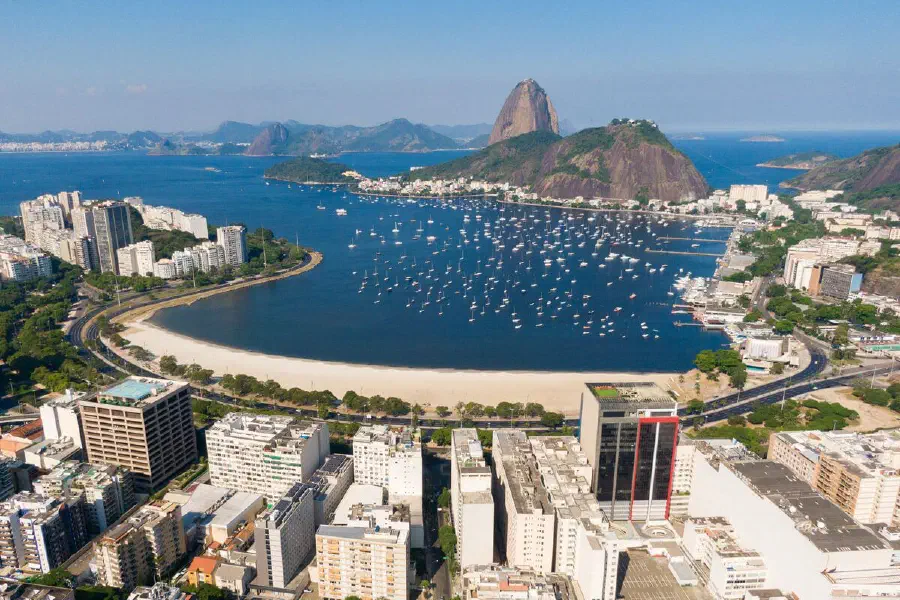
Botafogo, which means "set it on fire", is known for fiery nightlife by the beach and beautiful sceneries. Expatriates are drawn to the area for its balanced atmosphere and picturesque views of Guanabara Bay. Expats in the area can enjoy beauty of the beach, explore the bustling tree-lined streets with shops and restaurants, and immerse themselves in the local culture. One of the most famous destinations in Botafogo is the iconic Sugarloaf Mountain, which offers panoramic views of the city and the bay.
What type of accommodation can you find in Botafogo?
The most common type of accommodation in Botafogo ranges from mid-level to premium apartments. The apartments in the area come in varying sizes, typically ranging from 50 to 110 square meters with one to three bedrooms. There are also some houses and townhouses available in the surrounding area of Universidade Santa Ursula, for those who prefer a more spacious environment. Botafogo is well-connected to the metro system, making it easily accessible by public transportation, which eliminates the need for a private vehicle in most cases.
See accomodations prices in BotafogoWhat to do in Botafogo?
Botafogo is home to several notable museums, including the Fundacao Casa de Rui Barbosa, a local history museum, and the Villa-Lobos Museum, showcasing the rich cultural heritage of Brazil. Expats can also indulge in various recreational activities, such as joining private sports clubs like Clube de Regatas Botafogo, which offers various facilities for sports enthusiasts. The neighborhood is home to some of the best international schools in the city, like The British School, Rio de Janeiro - Botafogo, and OLM - Our Lady of Mercy School, ensuring quality education for expat families.
Who is Botafogo best for?
We recommend Botafogo to expat couples, single expats, and families looking for a lively and balanced neighborhood. The neighborhood offers a range of entertainment options, including trendy restaurants, bars, and clubs. The area provides a good selection of spacious accommodations and international schools, making it suitable for families with children. Owning a vehicle is unnecessary in Botafogo, as the neighborhood is well-served by public transportation, including the metro and buses.
Copacabana “The World-Renowned Neighborhood”
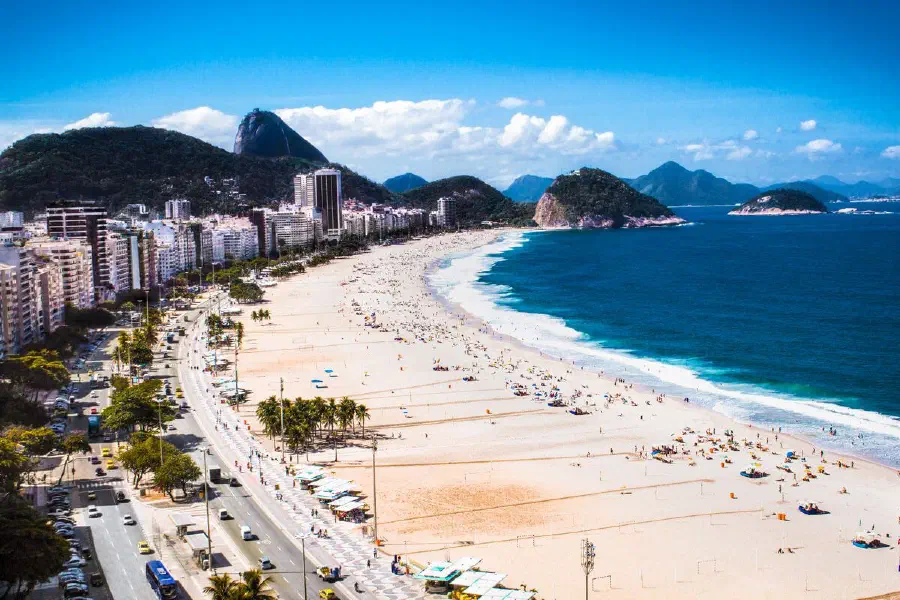
Copacabana is a famous neighborhood in Rio de Janeiro, Brazil, known for its beach that stretches for about four kilometers. Expatriates in the area can enjoy spending time at the beach, sunbathing, swimming, and participating in beach activities. The area boasts iconic landmarks such as the Copacabana Palace Hotel, which is one of the best hotels in the city for high-end accommodations and events. The neighborhood has a sophisticated and energetic atmosphere, with locals and foreigners enjoying the vibrant beach culture.
What type of accommodation can you find in Copacabana?
The most common type of accommodation found in Copacabana is premium apartments. Apartments in the area vary in size, typically ranging from 50 to 120 square meters, and units ranging from studio to four bedrooms. Furthermore, townhouse complexes such as Golden Green and the Hilton Rio de Janeiro Copacabana, offers security and modern amenities. The area is well-connected to the metro system and has easy access to public transportation, making it convenient for residents to navigate the city without needing a private vehicle.
See accomodations prices in CopacabanaWhat to do in Copacabana?
One of the best museums that can be found in the area is Museu Historico do Exercito e Forte de Copacabana, which showcases military devices and artilleries. We recommend expatriates to visit the Copacabana Palace Hotel, which offers exquisite dining experiences and is a historic landmark. Additionally, expats can enjoy the vibrant nightlife at numerous bars, clubs, and restaurants in the neighborhood. Copacabana Beach itself provides ample opportunities for recreational activities such as beach volleyball, surfing, and cycling.
Who is Copacabana best for?
Copacabana is recommended for expat couples, global nomads, and families looking for a lively and vibrant neighborhood. It suits those who enjoy an active lifestyle and want easy access to entertainment and restaurants. The neighborhood offers a good balance between a lively atmosphere and residential peace. We recommend expatriate families looking for an international school to get a vehicle or private services because there is no international school within the area. The nearest international school, The British School, Rio de Janeiro - Botafogo, can be found in the neighboring district of Botafogo.
Lagoa “The Lagoon Neighborhood”
Lagoa is a neighborhood in Rio de Janeiro, Brazil, named after the Rodrigo de Freitas Lagoon that lies at its heart. Expatriates in the area often enjoy the natural beauty of the lagoon and engage in outdoor activities such as jogging, cycling, and rowing. When you visit the neighborhood, you can expect a picturesque setting surrounded by lush greenery and a relaxed ambiance. One of the most famous destinations in the area is Parque da Catacumba, a park with hiking trails, outdoor art installations, and breathtaking views of the lagoon.

What type of accommodation can you find in Lagoa?
The most common types of accommodation in Lagoa range from standard to premium apartments. Apartments in the area are generally within the sizes of 40 to 90 square meters. There are some high-end residential options available such as townhouses and condominiums in front of the lagoon. Additionally, it is well-connected to the metro system, making it easy to access with public transportation.
See accomodations prices in ZuidWhat to do in Lagoa?
There are a few museums located within the Lagoa area including the Casa Museu Eva Klabin, which features some of the rarest Brazilian classical art collections. We recommend expatriates to visit the Restaurante Caique, offering a complete package from ballroom lessons to water park activities. Lagoa Rodrigo de Freitas is an ideal location for recreational activities such as stand-up paddle boarding, kayaking, and cycling along the scenic path surrounding the lagoon. The CEL Intercultural School | Jardim Botanico – Maria Angelica is a quality school in the vicinity, providing quality education for expat families.
Who is Lagoa best for?
We recommend Lagoa for expat families and couples looking for a balanced lifestyle. It offers a nature surrounded and quiet residential environment while still providing easy access to the amenities and attractions of Rio de Janeiro. The presence of international schools in the area makes it suitable for families with children.
Having a vehicle in Lagoa is not essential, as the neighborhood is well-connected to public transportation. However, it can be convenient for exploring other parts of the city and accessing nearby areas. Additionally, the neighborhood has a unique form of transportation called "bikes de Lagoa" or pedal boats, which allow visitors to explore the lagoon's waters while enjoying the scenic views
Barra da Tijuca “The Tailored Neighborhood”
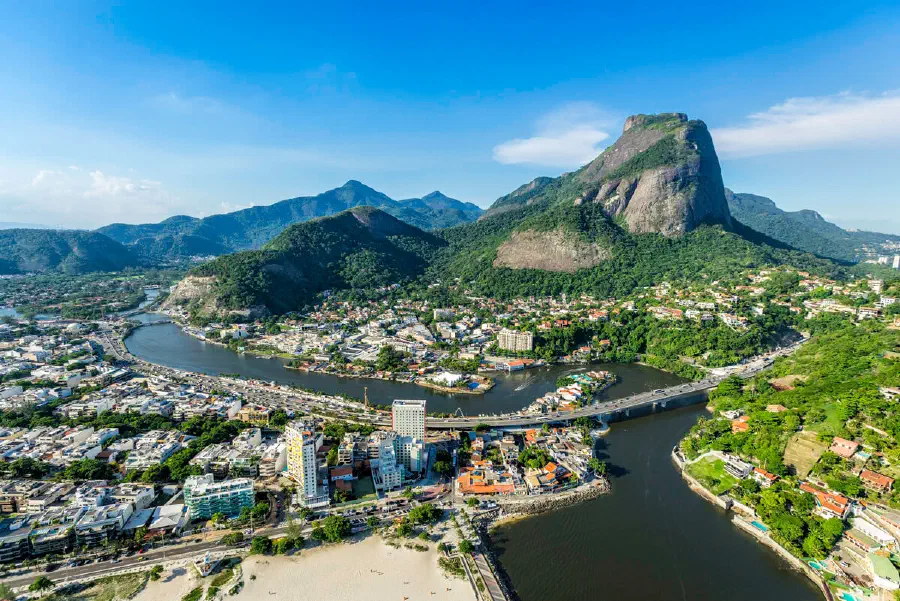
Barra da Tijuca is an upscale suburb in Rio de Janeiro, known for its modern infrastructure, lakes, rivers, and beach. Expatriates in the area often enjoy the lush lifestyle and engage in activities such as fine dining in a five-star restaurant, picnics in parks, surfing and high-end shopping. You can expect a vibrant and dynamic community with plenty of residential and recreational areas. The atmosphere in neighborhood is sophisticated with a relaxed nature-surrounded vibe that adds charm to the neighborhood.
What type of accommodation can you find in Barra da Tijuca?*
The most common type of accommodation in the area are premium apartments and condominiums. These units offer comfortable living spaces and modern amenities. The accommodation in Barra da Tijuca varies in size, ranging from 90 to 200 square meters and above.
The entire neighborhood is considered as a gated community but there are more exclusive areas to live such as the Peninsula, a well-known sub-district located between two lagoons, surrounded by green spaces. Additionally, the neighborhood has a unique form of transportation called "BRT" (Bus Rapid Transit), which provides efficient transportation within the district and connects to other parts of the city.
See accomodations prices in Barra da TijucaWhat to do in Barra da Tijuca?
We recommend expatriates to visit De Roma theater, a cultural hotspot hosting concerts, theater performances, and film screenings. Expatriates can also enjoy the Rivierenhof, a famous park known for hosting outdoor concerts, golf courses, water sports and expansive picnic areas.
Expats looking to combine nature and fitness can join STRENGTH & Company, an outdoor fitness professionals that offers tailored programs catering to every fitness goal. Expatriates can send their children to Lycee Francais International d'Anvers, offering a multicultural environment and quality education for foreigners.
Who is Barra da Tijuca best for?
Barra da Tijuca is highly recommended for all types of expatriates looking for a balanced lifestyle. The area is seemingly created for expatriates because of its spacious residential options, multiple internationals, plenty of entertainment options and nature retreats. It also is a good choice for those who prefer a modern and dynamic environment while still enjoying the natural beauty and recreational activities offered by the beach. A vehicle can be convenient for exploring other parts of Rio de Janeiro and nearby attractions.
Jardim Botanico “Rio Garden”

Who is Barra da Tijuca best for?
We recommend Jardim Botanico for retired expatriates and nature lovers. The neighborhood provides a peaceful and relaxed environment, ideal for those seeking relaxation and a close connection to nature. The abundance of green spaces and parks, including the Botanical Garden and Tijuca National Park, allows residents to indulge in outdoor activities and enjoy the beauty of the natural surroundings.
What type of accommodation can you find in Jardim Botanico?
The most common type of accommodation in Jardim Botanico ranges from mid-level to premium. Expatriates can find apartments and houses that blend harmoniously with the surrounding nature. The apartments are usually spacious, which sizes go above 100 square meters with four to six bedrooms that can be configured to cater to different preferences.
See accomodations prices in Jardim Botanico