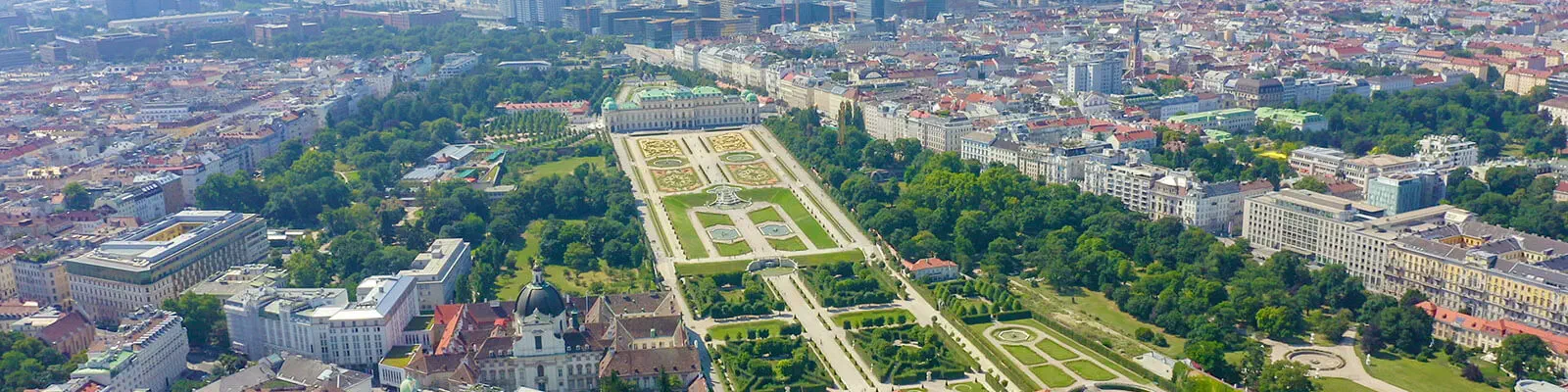
Key facts about Vienna
Vienna, the capital city of Austria, situated in the heart of Europe, captivates with its stunning surroundings of rolling hills and the Danube River. The name "Vienna'' is said to have originated from the Celtic word "Vedunia", meaning "forest stream", a nod to its abundant natural surroundings. The capital city has a history dating back to Roman times, in which it played a pivotal role as the capital of the Habsburg Empire, a hub of intellectual enlightenment during the Enlightenment era, and a focal point of European diplomacy. Vienna has transformed into a haven for expatriates, offering historic grandeur and modern innovation.
Vienna's architectural and stylistic inspiration from its imperial past, grand palaces and diverse cultural influences. The city's cobblestone streets, ornate buildings, quaint shops, and well-planned infrastructures reflect a seamless blend of Gothic, Baroque, and Art Nouveau styles. Its robust economy, driven by sectors like technology, finance, and tourism, ensures ample job opportunities and a comfortable lifestyle for its residents. The city's commitment to maintaining a high quality of life is evident through its efficient public transportation, world-class healthcare, and numerous recreational spaces.
Vienna's cultural landscape is filled with iconic attractions:
- The Schönbrunn Palace, a UNESCO World Heritage site, enchants visitors with its Baroque elegance and lush gardens.
- The Belvedere Palace showcases a stunning collection of art, including works by Gustav Klimt.
- Internationally renowned for its classical music heritage, the capital city is synonymous with composers like Mozart, Beethoven, and Strauss.
- Its global reputation as a cultural epicenter is bolstered by hosting international organizations such as the United Nations.
Vienna is committed to enhancing sustainability through initiatives promoting green spaces, efficient public transportation, and renewable energy sources, solidifying its status as a city devoted to progress and improvement.
Frequently Asked Questions about Vienna
Quality of living in Vienna
Yes, Vienna is a good place to live for expatriates. The city offers a rich cultural scene, encompassing world-class museums, theaters, and music venues that cater to diverse tastes. Its robust economy provides ample career growth opportunities, particularly in the technology and tourism sectors. The city ensures easy access to these cultural and economic offerings, making it an attractive destination for expats seeking a high quality of life.
Vienna's public services are highly reliable, ensuring a comfortable and efficient daily life. Electricity, water, and internet services are widely available and of high quality. The city's efficient traffic management contributes to smooth mobility within the urban landscape. The water is considered potable, adhering to stringent health standards.
Finding accommodation as a foreigner in Vienna is relatively easy. Options range from rental apartments to shared housing and even student dormitories. We advise expatriates looking for long-term tenancy to make advance reservations in districts such as the 1st District (Innere Stadt), 3rd District (Landstraße), and the 9th District (Alsergrund), known for offering convenience, amenities, and accessibility.
Yes, Vienna is a highly walkable city. Its compact layout, well-designed streets, and efficient public transportation system contribute to its walkability. It is also home to one of the world-renowned walkable parks, which is the Prater Park, home to the iconic Giant Ferris Wheel. This park offers a picturesque setting for leisurely strolls and outdoor activities, contributing to the city’s reputation as a pedestrian-friendly destination.
Vienna is famous for its rich musical heritage, being the birthplace of legendary composers like Mozart, Beethoven, and Strauss. The city's world-class orchestras, concert halls, and opera houses continue to uphold this legacy, making it a global hub for classical music. The Vienna Philharmonic Orchestra and Vienna State Opera are among the institutions that contribute to Vienna's trademark as the "City of Music."
Vienna's Accessibility and Safety
Vienna boasts an efficient and extensive public transportation system, including buses, trams, U-Bahn (subway), and S-Bahn (commuter rail). Notable lines include U1, U2, and U4, which offer convenient access to key attractions and neighborhoods, making commuting easy. The Wiener Linien operates the city's public transportation network, ensuring well-connected routes and reliable services.
Vienna is highly accessible for people with disabilities, catering to various needs. The city has invested in infrastructures such as ramps, elevators, and tactile paving, ensuring mobility for individuals with physical impairments. Additionally, public transportation is equipped with features like audio announcements and tactile maps for the visually impaired.
Vienna is considered a safe city for foreigners. The streets are well-lit, contributing to a sense of security. The Vienna Police, or "Wiener Polizei", ensures law and order and is responsive to safety concerns. The Austrian legal system provides protection for expatriates under the Equal Treatment Act, safeguarding them against discrimination and ensuring their rights are upheld.
The city hosts a range of internationally accredited hospitals and medical centers. We recommend healthcare facilities such as Vienna General Hospital (AKH) and the Goldenes Kreuz, known for their quality care and state-of-the-art facilities. These facilities provide expatriates with access to world-class medical services, ensuring their health and well-being.
Best expatriate areas in Vienna
As the curtain rises on expatriate life in Vienna, a symphony of distinct residential quarters awaits, each playing its unique note in the vibrant melody of the city. These neighborhoods offer comfortable living spaces and a gateway to the city’s rich cultural heritage and modern amenities. We will also be providing you with accommodation guides, notable attractions, and insights into which types of expats would thrive in these areas. Let us help you find your ideal neighborhood through historic enclaves, dynamic urban hubs, and peaceful suburbs.
Innere Stadt “1st District - The Cultural Core”
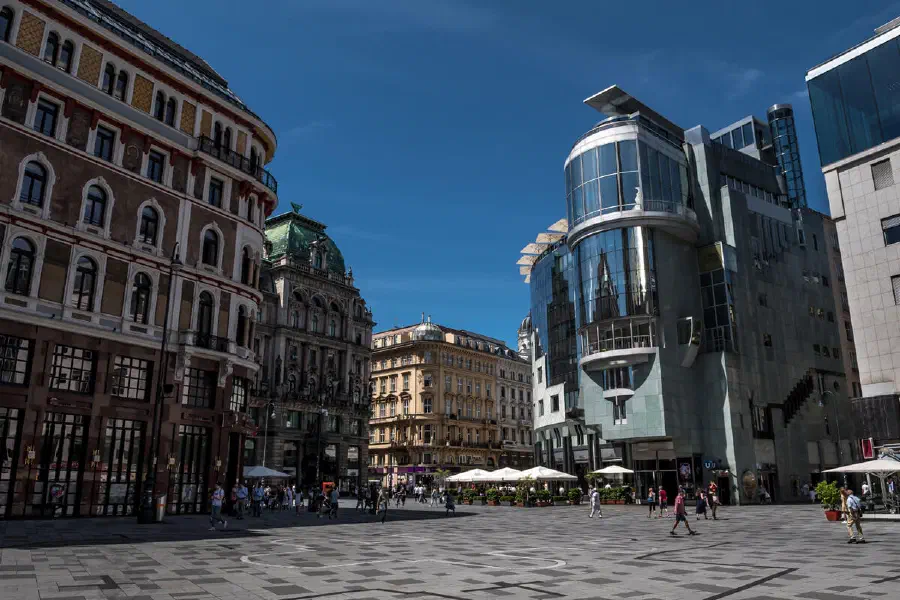
Innere Stadt, historical core of the city, is a charming and culturally enriched district. Expatriates in the area can stroll its centuries-old streets, visit architectural marvels, and explore its historical establishments. The area's well-maintained infrastructure ensures convenience, with efficient public transportation and essential amenities within easy reach. The atmosphere in the area is enchanting, with its cobbled streets and elegant architecture serving as a signature feature.
What type of accommodation can you find in Innere Stadt?
The most common accommodation type in Innere Stadt ranges from mid-level to upscale apartments. The residential units are scattered throughout the historic streets, offering residents both diversity and historic charm. Apartments often comprise one to two bedrooms, with an average size of around 60-90 square meters. There are also other residential options in adjacent neighborhoods, such as Leopoldstadt and Josefstadt.
We advise expatriates seeking a peaceful area to look for accommodations in the northern part of Innere Stadt near the Danube Canal. Expats looking for a more vibrant scene can explore the Graben and Kärntnerring areas. Innere Stadt provides essential facilities such as supermarkets and healthcare centers. The neighborhood is well-connected with public transportation options, including trams, buses, and the U-Bahn subway system. We highly recommend walking in the district to explore cultural attractions.
See accomodations prices in Innere StadtWhat to do in Innere Stadt?
Innere Stadt boasts remarkable museums, including the Kunsthistorisches Museum Wien and the Albertina, both world-class art museums housed in an impressive building. We also recommend visiting The Hofburg, an imperial palace offering stunning architecture and a silver museum. Expats into spiritual adventure can visit St. Stephen's Cathedral, famous for its grand architecture and catacombs containing the significant people in Austria. Foreigners into classical performances can visit Vienna Operahouse, featuring choir, ballet, opera, and orchestra performances of famous groups and artists.
We recommend that expatriates dine at the renowned Figlmüller restaurant and explore the vibrant nightlife along Graben Street. Expatriates looking to unwind in green spaces can visit Stadt Park and Rathauspark, offering refreshing views and retreat from the district's busy streets. There is a lack of holistic international schools in the central areas. However, expats can still send their children to decent schools, such as European Primary School, offering quality education to learners of all kinds.
Who is Innere Stadt best for?
We recommend Innere Stadt to a diverse range of expatriates, from couples seeking a romantic city experience to families seeking historical and cultural immersion. The area suits global nomads, digital nomads, and professionals looking for a balanced lifestyle, appealing to those seeking moderately lively residential areas, vibrant social activities, and a convenient location. We do not recommend owning a vehicle to expats due to the district's central location and excellent public transportation,
Leopoldstadt “2nd District - The Holistic Riverside”
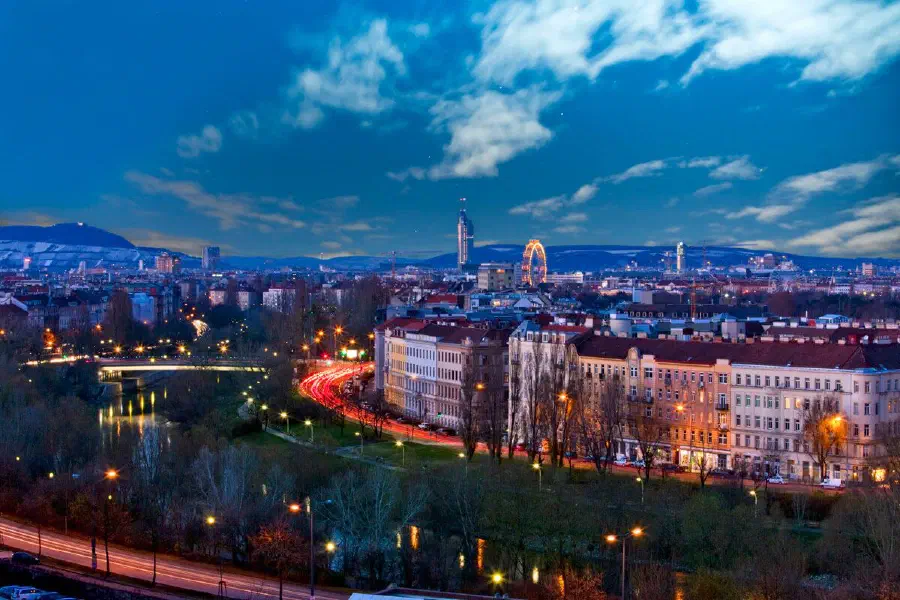
Leopoldstadt, situated to the northeast of Vienna's city center, is a lively district with a vibrant history. Expatriates in the area can immerse themselves in the green spaces, numerous galleries, theaters, and performance spaces. The district boasts a well-connected neighborhood with modern infrastructure, including schools, hospitals, and convenient public transportation options. The atmosphere of the area is characterized by its diverse communities and the iconic Prater amusement park, known for its giant Ferris wheel.
What type of accommodation can you find in Leopoldstadt?
Accommodation in Leopoldstadt ranges from entry-level to mid-level apartments. The district's residential quarters are prominently located around the Prater area and the Karmelitermarkt district. Apartments typically feature one to three bedrooms and span an average size of 50 to 120 square meters. Furthermore, the district presents additional residential alternatives, such as the emerging neighborhoods surrounding the Messe Wien fairground.
We recommend that expatriates seeking a peaceful environment look in the Karmeliterviertel area. Expats looking for a livelier area can look along Praterstern road. Essential facilities such as supermarkets, medical centers, and other services are conveniently available throughout the district. The district is well-served by public transportation, including trams, buses, and the U-Bahn subway system. Expatriates who are into biking will find the district bike-friendly.
See accomodations prices in LeopoldstadtWhat to do in Leopoldstadt?
Leopoldstadt houses notable museums, including the Vienna Crime Museum, showcasing different artifacts used to punish criminals and the history of crime in Vienna. We recommend expatriates to visit the historic beer garden, Schweizerhaus, for traditional Austrian fare and Ernst Happel Stadium, for expats who are into sports events. We highly recommend visiting the iconic Prater park, which offers an array of recreational activities, extensive green spaces, and amusement park rides. Expatriates can send their children to Danube International School Vienna GmbH, offering a holistic education and supporting learners to reach their potential.
Who is Leopoldstadt best for?
We recommend Leopoldstadt for expatriates seeking a balanced lifestyle with modern amenities and a convenient location. The district is suitable for global nomads, digital nomads, young couples and artists seeking a lively atmosphere with peaceful residential areas, culturally rich areas, reasonably priced accommodations, and a range of recreational activities. We highly recommend the district for foreign families because of the availability of good international schools, spacious accommodations, and recreational facilities. Expats generally do not require a vehicle to thrive in the district due to its excellent public transportation and pedestrian-friendly layout.
Wieden “4th District - The Market District”
Wieden, located south of Vienna's city center, is a charming neighborhood with a rich history. Expatriates can explore its historic streets, visiting cultural sites, and enjoying local cafes. Foreigners can expect a well-preserved infrastructure with historic buildings and modern facilities. The atmosphere of Wieden is hip and dynamic, characterized by the presence of the vibrant Naschmarkt, a bustling food and flea market.
What type of accommodation can you find in Wieden?
The most common type of accommodation in Wieden ranges from mid-level to premium. The residential areas are spread throughout the district, with prominent locations including the area around Nikolsdorf and Margaretenstraße. Apartments typically offer one to three bedrooms, with an average size of around 50 to 150 square meters. Alternative housing options such as shared apartments are also available within the area.
Expats in search of a peaceful area can look for accommodations in the western part of the district, along the Belvederegasse road. On the other hand, expatriates seeking vibrant surroundings can explore the Karlsplatz area, known for its cultural events and bustling markets. The area boasts a variety of facilities, including supermarkets, hospitals, and healthcare centers. The neighborhood is well-served by public transportation, including trams and buses, offering easy access to other parts of the city.
See accomodations prices in WiedenWhat to do in Wieden?
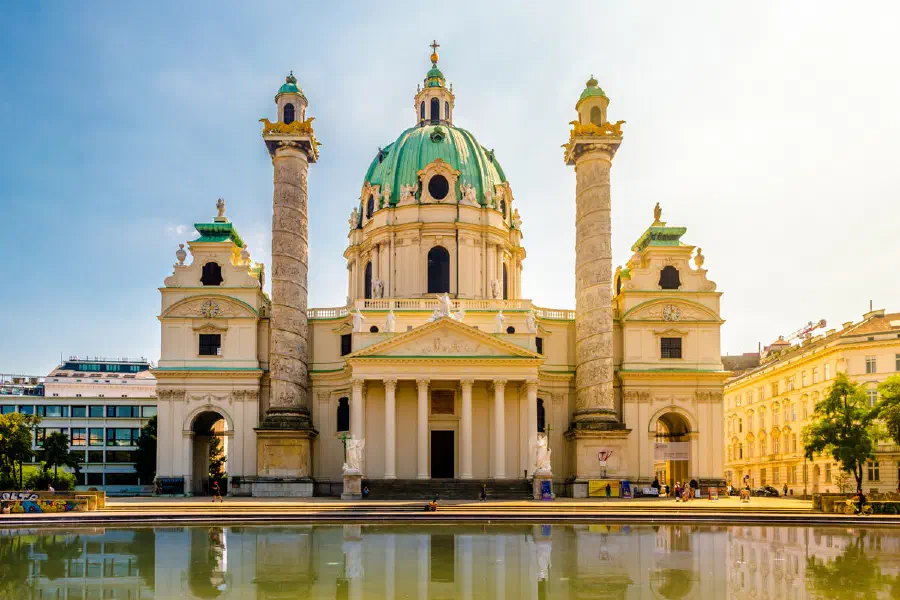
Expatriates who are into grand architecture and spiritual pursuit can visit the St. Charles's Church, showcasing elegant design. We recommend expatriates to visit the renowned Belvedere Palace, housing an impressive collection of Austrian art and a scenic garden. We recommend expatriates to explore the Naschmarkt, known for its diverse culinary offerings. Expatriates pursuing postgraduate degrees can look into Vienna School of International Studies, offering language mastery courses.
Who is Wieden best for?
We recommend Wieden for a broad range of expatriates, catering to families, couples, and global nomads. The neighborhood suits those seeking an active urban lifestyle, spacious accommodation, modern amenities and convenient location. We recommend families seeking an international school for grade schoolers to look into districts, such as Leopoldstadt and Döbling. A vehicle is not needed because the district is well-connected and transportation options are reliable.
Alsergrund “9th District - The Intellectual District”
Alsergrund, located in the northern part of Vienna, is a picturesque district with a rich historical origin. Expats in this district can engage in various activities, from exploring scenic landmarks to enjoying historical restaurants. Foreigners can anticipate a well-developed neighborhood with robust infrastructure featuring modern residential quarters, commercial establishments, modern amenities, and recreational spaces. The district's atmosphere is characterized by its intellectual and artistic vibe, with Sigmund Freud's former residence being one of its notable trademarks.
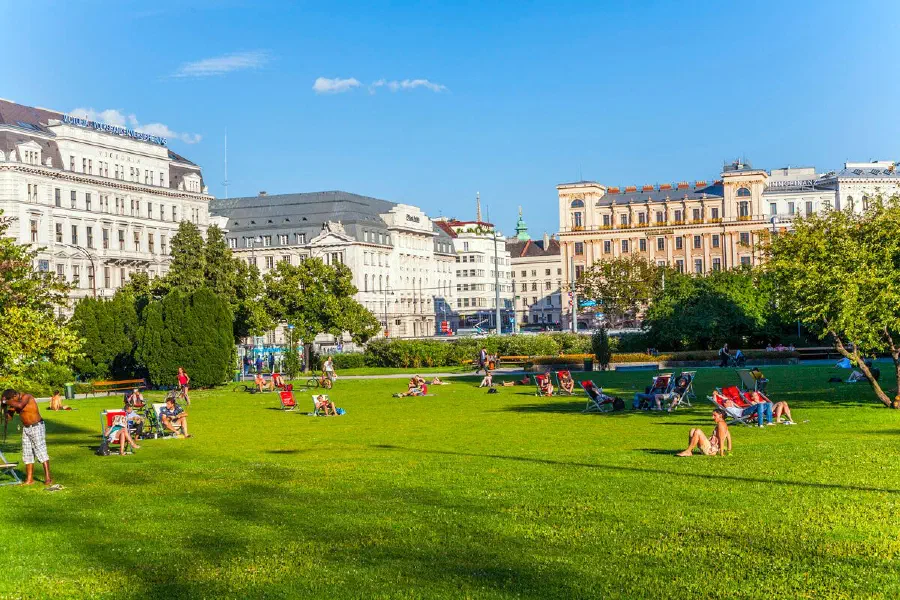
What type of accommodation can you find in Alsergrund?
Accommodation options in Alsergrund cater to a diverse range of budgets, ranging from entry-level to high-end choices. The residential areas are predominantly situated near the University of Vienna and within Thurygrund neighborhood. Apartments typically offer one to three bedrooms and range in size from 40 to 100 square meters. Additionally, alternative residential options such as serviced apartments and studios are available along Alserbachstrasse road.
We recommend expatriates seeking a peaceful environment to look for an apartment in the Thurygrund neighborhood. Expats desiring a livelier area are advised to look for accommodation near Sigmund Freud Park and University of Vienna. The district offers essential facilities like supermarkets, medical centers, and pharmacies. The district is well-connected by public transportation, including trams, buses, and the U-Bahn subway system.
See accomodations prices in AlsergrundWhat to do in Alsergrund?
Alsergrund is home to the Sigmund Freud Museum, offering insights into the life and work of the renowned psychologist. We recommend expatriates visit the picturesque Palais Liechtenstein and experience the local cuisine at Griechenbeisl, one of Vienna's oldest restaurants. We recommend that expats who are into preserving the environment visit Spittelau incinerator, an iconic plant known for its colorful architecture. We highly recommend university level expatriates to go to the University of Vienna, offering international programs suitable for expatriates.
Who is Alsergrund best for?
We recommend Alsergrund for expatriates seeking a scenic environment, proximity to intellectual institutions, and a balanced district. The neighborhood is suitable for digital nomads, and couples looking for reasonably priced accommodation, various recreational activities, and modern amenities. We highly recommend the area for expat families with university-level children because of the quality educational institution, peaceful living quarters, and abundant green spaces. We do not recommend owning a vehicle because the area boasts a central location and accessibility to public transportation options.
Döbling “19th District - The Family District”
Döbling, located to the northwest of the city center, is a picturesque district known for its peaceful ambiance and green surroundings. Expatriates in the area can explore the scenic vineyards, indulge in outdoor activities, and embrace the natural beauty of the area. Foreigners in the area benefit from a well-connected neighborhood with modern amenities and a range of accommodation options. The atmosphere in Döbling is elegant and relaxing, with its trademark being the lush Vienna Woods.
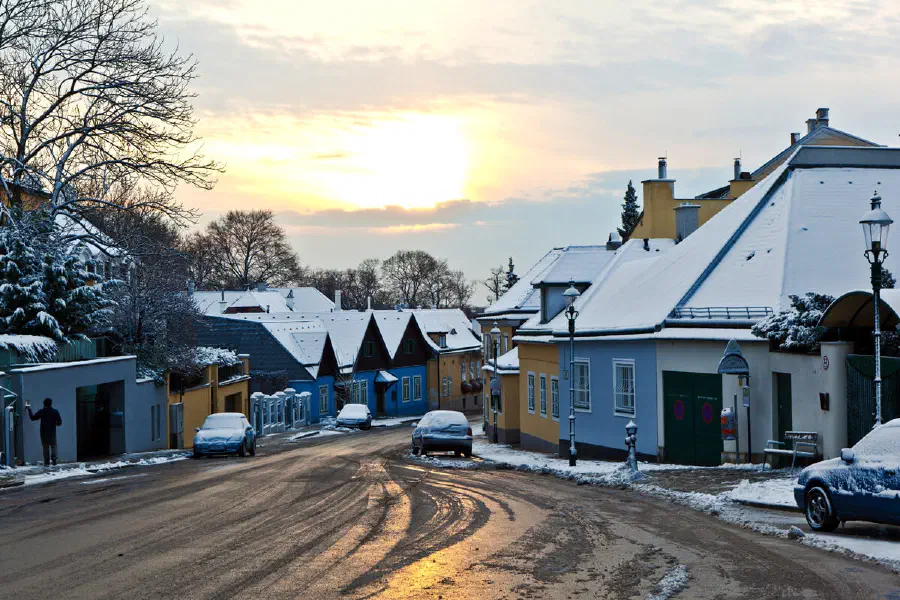
What type of accommodation can you find in Döbling?
The most common type of accommodation in Döbling ranges from mid-level to upscale apartments and houses. The residential areas are dispersed across the district, with notable clusters around Grinzing and Nussdorf. Apartments usually consist of two to four bedrooms, with sizes averaging between 70 to 150 square meters. Alternative residential options such as detached houses and townhouses range from 200 to 500 square meters, with three to six bedrooms.
Expatriates seeking a quiet residential environment to look into Nussdorf, the hilly areas around Cobenzl and Kahlenberg offering panoramic views and a peaceful environment. Foreigners seeking vibrant and cultural areas to explore the Grinzing village, known for its wine taverns and cultural events. The district offers essential facilities such as supermarkets, medical centers, police stations and educational institutions, ensuring residents have convenient access to daily necessities. The district benefits from an efficient public transportation network, including buses and trams, ensuring easy connectivity to the city.
See accomodations prices in DoblingWhat to do in Döbling?
Döbling boasts several noteworthy museums, including the Wien Museum Beethoven Museum, which offers insight into the famous generational composer’s life. We recommend exploring the charming Grinzing, which boasts the impressive Heurigen tradition and features rustic wine taverns. Expats can also enjoy outdoor recreational activities like hiking in the Vienna Woods or visiting the Türkenschanzpark. Expatriates can send their children to the American International School Vienna, offering IB Diploma, holistic education, and modern facilities to foreign learners.
Who is Döbling best for?
We recommend Döbling to expatriates seeking a peaceful residential area, natural activities, and modern amenities. The area suits families, providing a balanced living experience, convenient transportation options, spacious accommodation, and a quality international school. Expats generally do not require a vehicle to enjoy the district's charm because of the reliable public transportation and proximity to amenities.