Key facts about Milan
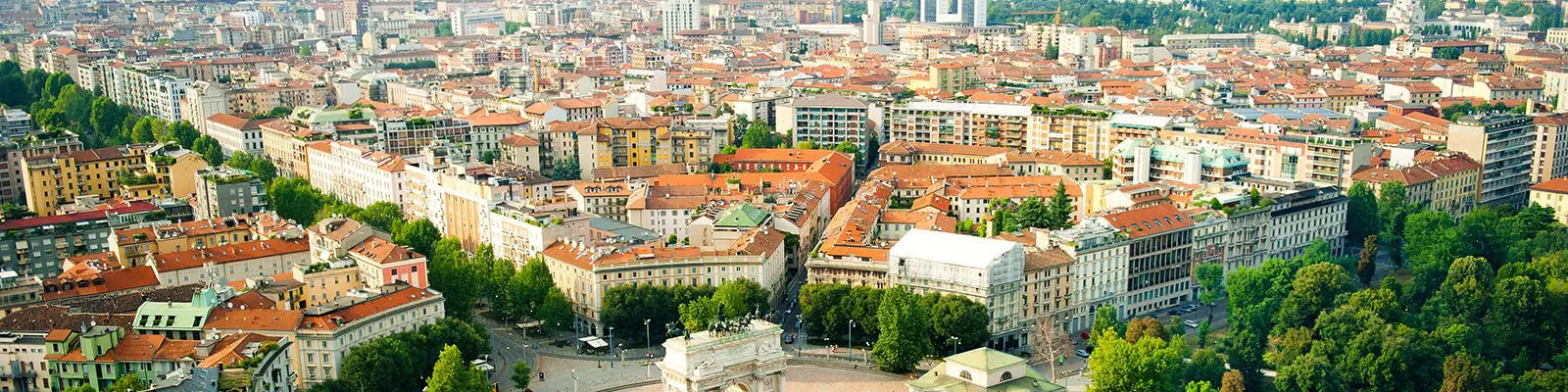
Milan, found in the northern region of Italy, enjoys a strategic geographic location in the core of Lombardy. Milan is derived from the ancient Celtic tribe known as the Insubres, which reflects the city's historical roots that date back centuries. Milan has played a pivotal role in shaping Italy's past, with a rich history encompassing Roman rule, Renaissance brilliance, and modern innovation. The city offers cultural heritage sites, business prowess, and a thriving residential community, making it an enticing destination for expatriates seeking a multifaceted urban experience.
Milan's architecture and street design draw inspiration from a diverse range of influences, showcasing Gothic and Art Nouveau styles. Milan is a popular choice for expatriates seeking a place to call home due to its dynamic cultural scene, remarkable educational institutions such as the University of Milan, and great healthcare facilities like Policlinico of Milan. The city's robust economy is driven by sectors, such as fashion, finance, and technology, guaranteeing ample employment opportunities and a high quality of life.
Milan boasts a wealth of cultural attractions and world-renowned sites:
- The Milan Cathedral, a magnificent example of Gothic architecture, is an iconic symbol of the city's grandeur and religious heritage.
- The La Scala, Milan's legendary opera house, is renowned for its illustrious history and contribution to the world of opera and classical music.
Milan is internationally recognized as the fashion capital of Italy, where global trends are set and Milan Fashion Week takes center stage. The city's reputation as a thriving center for fashion, design, and cultural innovation has solidified its position as a premier destination for creative individuals and enthusiasts worldwide.
Frequently Asked Questions about Milan
Quality of living in Milan
Yes, Milan is generally considered a good place to live for expatriates. The city also has a relatively low unemployment rate, with the dominant fields of business including fashion, design, and technology offering favorable employment prospects for expatriates. Milan actively implements various movements and initiatives focused on sustainability and mobility plans aiming to create a greener and more livable city for its residents and expatriate community.
Milan has reliable and readily available public services such as electricity, water, and internet. The city has a well-developed infrastructure that efficiently provides these essential services to residents.
Finding accommodation as a foreigner in Milan can be challenging due to high demand and limited availability, particularly in popular neighborhoods like Brera, Navigli, or the city center. Foreigners can choose to rent apartments in different neighborhoods across the city, such as Porta Romana, Porta Venezia, or Isola. There are also serviced apartments and short-term rentals available for those who prefer flexibility or are in the process of settling down.
Milan is known for being a walkable city, with many attractions and amenities within close proximity. Additionally, Milan is home to Parco Sempione, the famous walkable park in the city, located near the iconic Sforza Castle. This expansive green space offers a relaxing retreat in the heart of the bustling metropolis.
Milan is famous for its status as a global fashion capital, hosting renowned fashion events such as Milan Fashion Week. The city is synonymous with style and luxury, with a rich heritage in design and craftsmanship. Milan is also recognized for its impressive architectural landmarks, including the magnificent Milan Cathedral (Duomo di Milano) and the world-famous La Scala opera house. These cultural and artistic offerings contribute to Milan's international reputation as a center of creativity and sophistication.
Milan's Accessibility and Safety
Milan has an extensive and efficient local transportation system. The Milan Metro is the city's subway system, consisting of five lines: M1 (Red Line), M2 (Green Line), M3 (Yellow Line), M5 (Lilac Line), and the newly opened M4 (Blue Line). These lines cover different areas of the city and provide convenient transportation options. In addition to the metro, Milan has a vast network of buses and trams, providing coverage throughout the city.
Milan has made significant strides in improving accessibility for people with disabilities. Public transportation, including the metro, buses, and trams, offers features such as accessible entrances, ramps, and designated seating areas for individuals with mobility impairments. The metro stations have tactile paths and signage for those with visual impairments, and audio announcements are available on buses and trams.
Milan is generally considered a safe city for foreigners. The streets in the city center are well-lit, and the police presence is noticeable. Milan has a dedicated police force that ensures the safety and well-being of residents and visitors. Additionally, Milan has a well-equipped fire department that is responsive to emergencies and provides prompt assistance when needed.
Milan boasts a range of excellent healthcare facilities that cater to the needs of expatriates. San Raffaele Hospital, a renowned research and teaching hospital, is known for its cutting-edge medical technology and specialties such as cardiology, neurology, and oncology. Day Clinic Milan LTD is a highly regarded private medical facility known for its comprehensive healthcare services, including specialized departments in orthopedics, dermatology, and aesthetic medicine.
Expat Areas in Milan, Italy
Milan has diverse neighborhoods that cater to the different needs of expatriates. Whether you prefer a lively city center or a peaceful suburb, Milan offers a variety of housing options. Check out our recommended neighborhoods in Milan based on your preferences.
Brera “The Colorful Center”
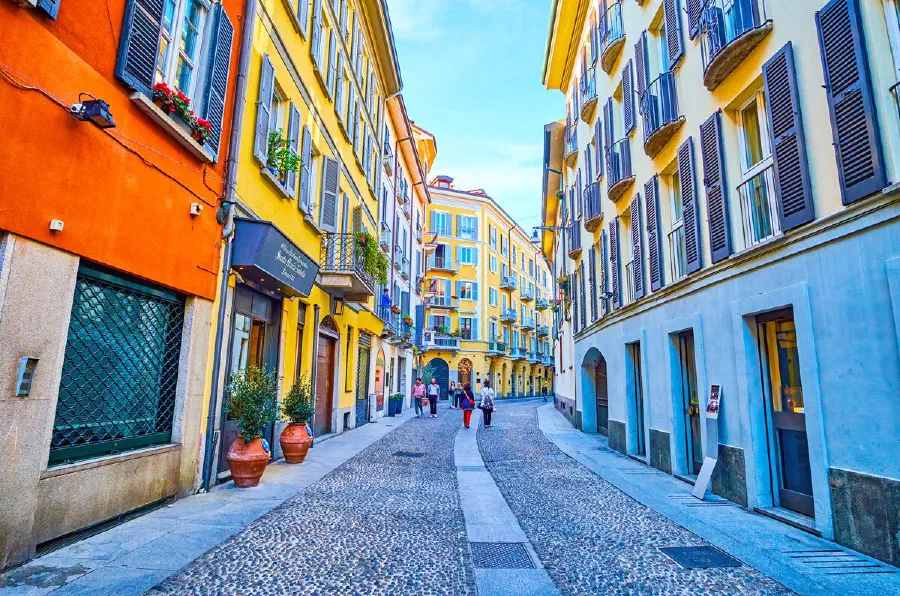
Brera is an upscale neighborhood in the center of Milan, known for its artistic heritage and lively atmosphere. The name "Brera" is derived from the Celtic word "braida", meaning cleared of trees. Expatriates living in the area can immerse themselves in the rich cultural scene, as it is home to numerous art galleries, antique shops, and stylish boutiques. It is a popular area for expats to gather with friends and enjoy the nightlife scene. The narrow streets of neighborhood are lined with cafes, restaurants and bars creates a bustling and social environment.
What type of accommodation can you find in Brera?
Brera offers several housing options, from apartments in historical buildings to modern residential complexes. The most common types of accommodation in the area are premium apartments, with only a few reasonably priced units available. These apartments in the neighborhood typically range between 50 to 100 square meters, with one to three bedrooms. There are also common residential options available, including condominiums and apartment buildings with shared facilities.
See accomodations prices in BreraWhat to do in Brera?
Expatriates will find several notable museums worth visiting, including the Pinacoteca di Brera, a famous art gallery with an impressive collection of Italian Renaissance masterpieces. Foreigners who enjoy recreational activities in green spaces can visit Orto Botanico di Brera, where you can stroll, picnic, and lie in the bed of flowers. Foreign Couples can look into Sky Terrace of Milanoscala Hotel, an elegant restaurant found on the rooftop of the hotel, which offers a panoramic view of the city. We also suggest the Braidense National Library for expatriates passionate about books.
Who is Brera best for?
We recommend Brera to expats looking to immerse themselves in Milan's dynamic cultural scene and enjoy the convenience of living in the central part of the city. It is an ideal area for individuals and couples who enjoy a lively and social lifestyle, with a wide range of dining, shopping, and nightlife scene. We advise expats with children to look in other neighborhoods such as Città Studi, because Brera is not near to international schools and it can be a little loud at night. The neighborhood is served by the Moscova and Lanza metro stations, allowing for convenient travel within the city.
Navigli "Milan Canalside District”
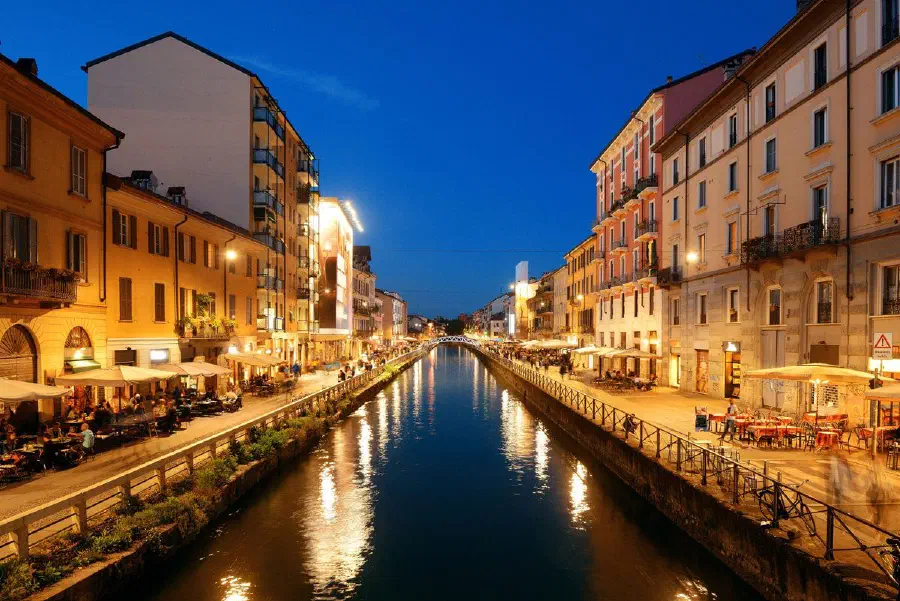
Navigli, derived from the word "naviglio" meaning canal, is a picturesque neighborhood, known for its historic canals and vibrant atmosphere. Expats living in the area can enjoy the lively ambiance of the area, exploring the numerous bars, restaurants, and art galleries that line the canals. The neighborhood offers a unique and enchanting vibe, attractive with its charming waterways, sunset views, and bohemian infrastructures.
What type of accommodation can you find in Navigli?
Navigli offers different housing options for individuals, couples, and small families. The most common types of accommodation range from entry-level apartments to mid-level options. The apartments in the area vary in size, typically ranging from 30 to 90 square meters. The number of bedrooms in apartments can vary, with one to three bedrooms being the norm, but there are also many apartments with four to six rooms.
See accomodations prices in NavigliWhat to do in Navigli?
You will find a few notable museums in Navigli, such as the Leonardo Da VincI Art Museum, a modern museum, which showcases Renaissance artworks. We recommend Navigli boat tours offered by the locals for expats looking for recreational activity. This will allow foreigners to explore the canals while enjoying the picturesque view of the city. Foreigners searching for a memorable night out can head to Rita, a renowned bar famous for their crafted cocktails and outdoor views of the canal.
Who is Navigli best for?
We recommend Navigli to a diverse range of expats, including global nomads, couples, and families who seek a balance between a lively and quiet neighborhood. Expatriates can easily navigate the city without a vehicle due to the readily available public transportation system. However, we recommend foreigners seeking an international school for their children to have a vehicle, as the closest reputable option, Bloom International School, is situated in the neighboring district of Giambellino-Lorenteggio.
Citta Studi “The Educational Quarter”
Citta Studi, meaning "City of Studies", is a neighborhood in Milan known for its educational institutions and thriving student population. Expats living in the area can expect a lively and dynamic atmosphere with a youthful vibe. The area is home to several universities, research centers, and academic facilities, attracting foreign students and scholars. Additionally, the neighborhood offers a range of cultural events, cafes, and bookstores, making it a hub of intellectual and creative activity.

What type of accommodation can you find in Citta Studi?
Citta Studi primarily offers entry-level and standard housing options, including apartments and shared student residences. It is common to find one or two-bedroom apartments in this neighborhood, with average sizes ranging from 40 to 80 square meters. There are also residential buildings and complexes that cater to foreign families and young professionals found in Via Giovanni Pacini street.
See accomodations prices in Citta StudiWhat to do in Citta Studi?
Expats looking to unwind can visit Piazza Leonardo da Vinci, a plaza located in the middle of the district, surrounded by restaurants and bars, which is ideal for picnics and socializing. We recommend fitness-oriented expats to visit Centro Sportivo Goriati, a modern sports complex with multiple sports tracks, and Centro Balneare Romano for a public swimming pool experience.
The area is also home to the Andersen International School of Milan and The British School of Milan, both renowned for providing quality education to foreign children. Expatriates with university-going children can send them to Politecnico di Milano, considered as one of the best universities in the world for engineering and architecture courses.
Who is Citta Studi best for?
We recommend Citta Studi to expats who are students and professionals working in the education and research fields within the area. The neighborhood offers a moderately lively area and an intellectually stimulating environment. We highly recommend this area for foreign families because the universities and international schools in the district ensure quality education for children of all ages. The area is well-connected to public transportation, making it easy to navigate the city without needing a vehicle.
Porta Nuova “Forest Business District”
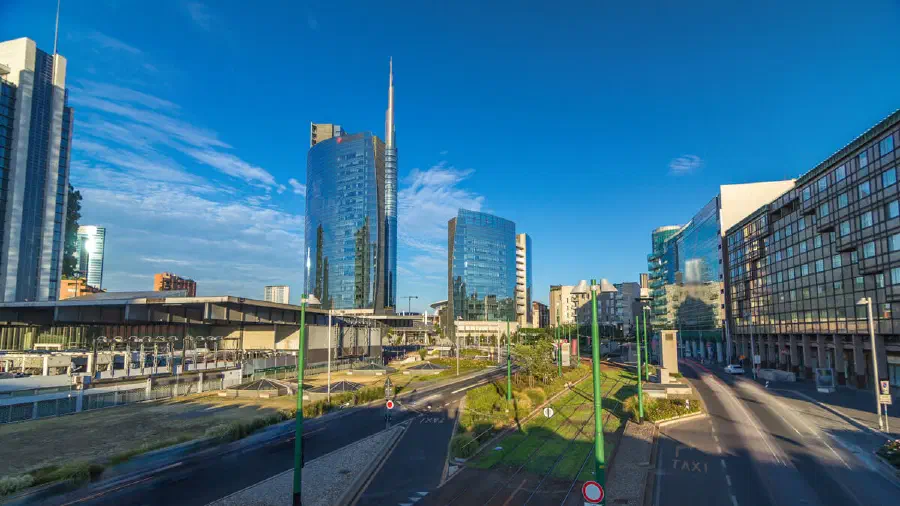
Porta Nuova is a modern and high-end neighborhood situated in the northwest part of the city center, close to the Garibaldi train station. Expats in this area enjoy the high-end shopping, fine dining, and exploring cultural attractions. The atmosphere in the area is busy and sophisticated, reflected by its bustling streets, and elegant residential buildings. You can also find skyscrapers owned by multinational companies, such as the Unicredit Tower. The area is known for its beautiful skyline and urban green spaces, with trees growing in and around the spacious apartments.
What type of accommodation can you find in Porta Nuova?
The most common type of accommodation are premium apartments, with a few standard priced units available. These apartments are spacious and well-designed, offering modern amenities and stylish interiors. The apartments vary in size, typically within 70 to 110 square meters for one to two-bedroom units. Exclusive apartments in the area have four or more bedrooms, which are above 150 square meters.
See accomodations prices in Porta NuovaWhat to do in Porta Nuova?
Porta Nuova has several museums, including Museo Civico di Storia Naturale di Milano, a museum showcasing Italian paintings, and Museo della Permanente, one of the few archaeological museums in the city. We recommend Indro Montanelli Garden, a historical park, to expatriates looking for a recreational park with plenty of things to do, such as family picnics, jogging, and sightseeing the beautiful garden landscape. Foreigners with children from kindergarten to senior high school can send them to Scuola Svizzera Milano, a reputable international school in the area.
Who is Porta Nuova best for?
We recommend Porta Nuova to expats who seek an upscale and cosmopolitan environment. The neighborhood is suitable for single professionals, and foreign families looking for an urban environment with many green spaces and prestigious living arrangements. The district presents many good business opportunities because it is surrounded by some of the biggest companies in Milan. The area is well-served by public transportation, including the metro, buses, and ride-hailing services.
CityLife “The Futuristic City”
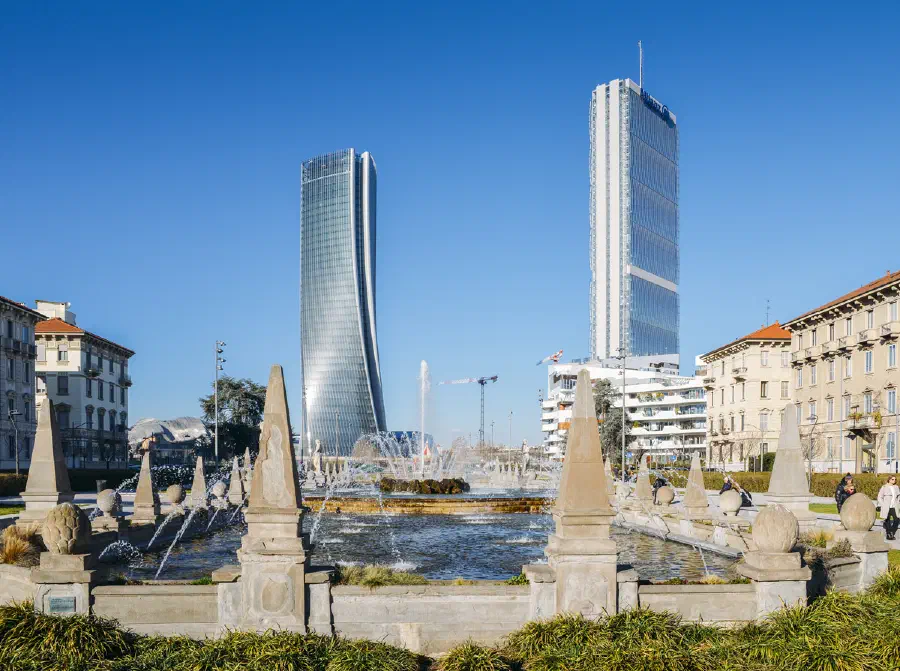
CityLife Milan is a large urban development project that started in 2007, which transformed the Fiera Milano exhibition area into a modern upscale residential district. The area encompasses residential buildings, office spaces, shopping areas, public parks, and cultural facilities. It is often referred to as a distinct neighborhood within the city of Milan due to its unique design and mixed-use development. The area features three of the iconic skyscrapers in the city, which are Allianz Tower, Hadid Tower, and Libeskind Tower.
What type of accommodation can you find in CityLife?
The most common types of accommodation in CityLife are luxurious apartments found in Hadid and Libeskind residences. The size and type of units available in the residences vary, ranging from two to three bedrooms, and penthouses within 150 to 400 square meters. The area offers a secure and well-maintained environment. There are also standard-type accommodations found on the outskirts of the area.
See accomodations prices in CityLifeWhat to do in CityLife?
CityLife is in close proximity to some of the best museums in Milan, such as Museo Popoli e Culture, an Indo-Chinese Ethnographic Museum aiming to show artifacts from different races. We also recommend the shopping CityLife shopping district to expats looking to buy designer brand apparel, watch theaters, and do fine dining. Expats looking to unwind in green spaces or enjoy the outdoor air can go to the CityLife Park. Foreigners can send their kids to St. Louis School Colonna, an international school known for their IB and British curriculum.
Who is CityLife best for?
We recommend CityLife to expatriate families, digital nomads, and couples. The area provides modernity, convenience, and peace. The area is ideal for expats looking for a sophisticated neighborhood that is clean and secure. The schools in the area cater to the educational needs of expat families. CityLife is well-connected by public transportation, with easy access to the metro, making it convenient to navigate the city without needing a vehicle.