Key facts about Turin
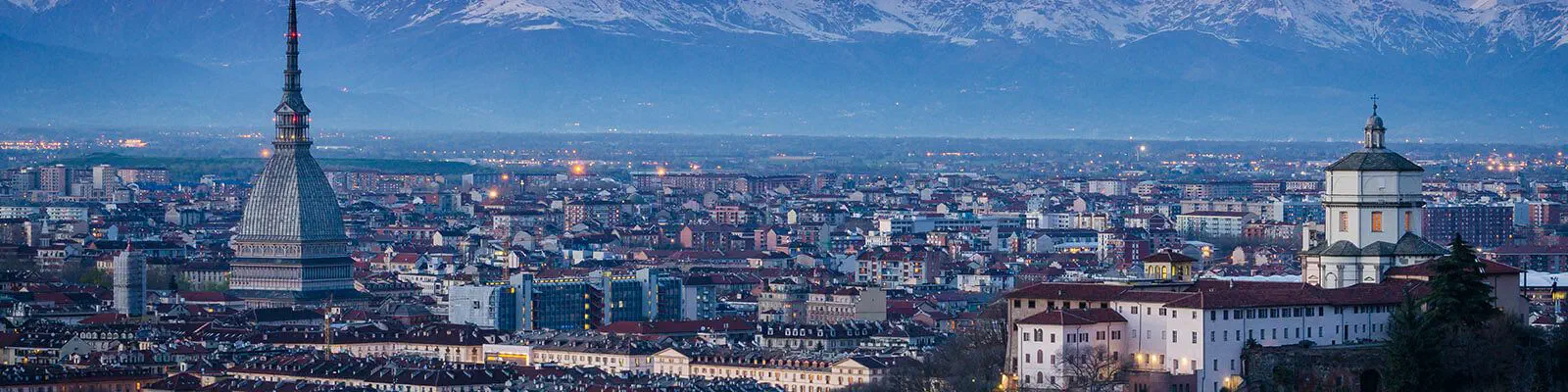
Turin, the first capital of Italy, is situated in the beautiful landscapes of the northwest Piedmont region. The name Taurini originated from the Celtic root "taur", meaning "mountain" or "hill", reflecting the city's location at the foot of the Alps. It evolved into "Augusta Taurinorum" in the Roman era and later became "Torino" in Italian. Turin has been pivotal in shaping Italy's cultural and political landscape. The city boasts a diverse atmosphere, combining elements of a bustling business center, cultural heritage sites, and a comfortable residential hub.
The architecture and style of Turin draw inspiration from baroque and neoclassical structures, influenced by its historical connections with the House of Savoy. Additionally, the city’s wide streets and elegant shops reflect the city's role as an industrial and design hub. Turin is known for its diverse sectors, including automotive manufacturing, aerospace, and technology, contributing to its economic strength. The city boasts a relatively low unemployment rate, particularly in these dominant fields.
Turin is renowned for its world-class cultural attractions:
- The Egyptian Museum, housing one of the world's most extensive collections of Egyptian artifacts.
- Another iconic landmark is the Mole Antonelliana, a towering structure that houses the National Cinema Museum and offers magnificent city views.
Moreover, Turin has earned a global reputation for being the birthplace of Italian cinema and its contribution to the country's rich culinary heritage, particularly for its delectable chocolate and renowned wines. The city continuously strives for improvement and progress, implementing various initiatives in urban planning, sustainability, and preserving its cultural heritage to enhance the quality of life for both residents and expatriates.
Frequently Asked Questions about Turin
Quality of living in Turin
Yes, Turin is a good place to live. The city offers a quality lifestyle, well-developed infrastructure, healthcare services, and a good education system. The city's thriving economy and job opportunities makes it an attractive choice for expatriates.
Turin provides reliable public services such as electricity, water, and internet. The city has a well-established infrastructure and utilities that ensure smooth access to these essential services.
Finding accommodation as a foreigner in Turin is relatively easy. There are various options available, including apartments, houses, and serviced apartments. However, we advise foreigners planning to live in popular central areas, such as San Salvario, Centro and Aurora, to make reservations in advance.
Turin is known for being a walkable city. It has a well-planned urban layout and is easy to navigate on foot. The city has a pedestrian-friendly infrastructure, including wide sidewalks, pedestrian zones, and well-maintained pathways. One of the most famous walkable parks in Turin is Parco del Valentino, a beautiful green space along the Po River that offers scenic walking paths and recreational areas.
Turin is famous for its rich history, exquisite architecture, and automotive heritage. The city is renowned worldwide for being the birthplace of iconic car brands such as Fiat and Alfa Romeo. Turin is known for its Baroque-style buildings, grand palaces, and impressive landmarks like the Mole Antonelliana. Additionally, Turin is famous for its chocolate and the annual celebration of the Turin Shroud, an important religious relic.
JTurin's Accessibility and Safety
The local transportation system in Turin is well-developed, with a variety of options for getting around the city. The main public transportation provider is GTT (Gruppo Torinese Trasporti), which operates buses, trams, and a metro line. Specific routes include the Line 1 metro that runs from north to south, buses that serve different neighborhoods and suburbs, and trams that connect major parts of the city.
Turin has made significant efforts to improve accessibility for people with disabilities. Metro stations and buses are equipped with ramps and elevators to facilitate accessibility. There are tactile markings and guiding paths in various parts of the city to help navigate streets and public spaces. For individuals who are deaf or hard of hearing, there are efforts to provide visual cues and information in public spaces. Some public transportation announcements are displayed on screens, and there are visual alerts in certain areas.
Turin is generally considered a safe city for foreigners. The streets are well-lit, particularly in main areas and famous destinations, with enhanced evening security. The city has a dedicated police force, known as Polizia di Stato, as well as Carabinieri and local police officers, who ensure public safety and provide assistance when needed.
Turin offers a range of healthcare facilities for expatriates, including hospitals and clinics that provide quality medical services. We recommend Ospedale Citta della Salute e della Scienza di Torino, which is one of the largest and most renowned hospitals in the city, offering specialized medical care across various disciplines.
Expat Areas in Turin, Italy
Get ready to discover a range of diverse neighborhoods that will cater to your lifestyle and preferences. Turin offers a wide range of residential areas, each with its own unique charm and character. Turin has something for everyone, whether you seek the hustle and bustle of a lively city center or the laid-back atmosphere of a suburban area. Here are our top picks:
San Salvario “Rockstar District”
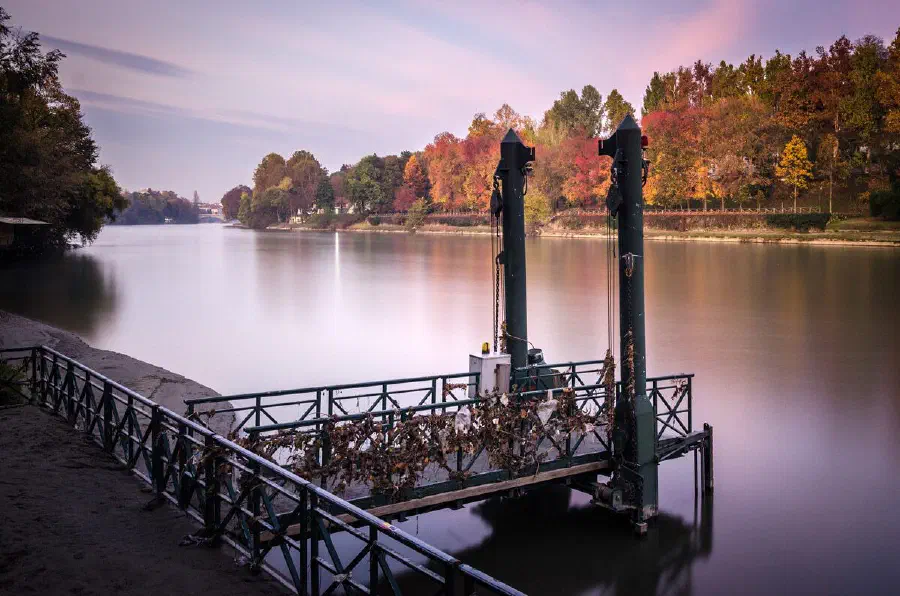
San Salvario, derived from the name "Sanctus Salvator" (Holy Savior), is a vibrant neighborhood in the city. Expats in the area can indulge in the bohemian atmosphere and cultural diversity that the area offers. The neighborhood is known for its bustling streets, eclectic mix of cafes, bars, green scenery, and vibrant nightlife. The neighborhood is also famous for hosting various festivals and events throughout the year.
What type of accommodation can you find in San Salvario?
San Salvario offers a range of options, from entry-level apartments to standard condominiums. The apartments in the area vary in size, with most having two to three bedrooms, with an average size of around 30 to 80 square meters. Houses are limited, but there are common residential options such as condominiums and shared apartments available. The area is well-connected and easily accessible via public transportation, including the metro and bus services.
See accomodations prices in San SalvarioWhat to do in San Salvario?
You can find notable museums such as the Museo Nazionale dell'Automobile, which showcases Italian-made vehicles and first-generation cars. We highly recommend expats to visit the famous Parco del Valentino, a picturesque castle and a park suitable for leisurely walks or picnics. Expats interested in sports and recreational activities can find Reale Società Canottieri Cerea, a private rowing club in Parco del Valentino.
Who is San Salvario best for?
We recommend San Salvario to expats looking for a lively nightlife, multicultural atmosphere, and nature activities. It is ideal for global nomads, artistic couples, and young professionals because of the range of activities and modern amenities.
San Salvario is not the ideal choice for expat families and individuals seeking a peaceful environment due to potential noise at night. Additionally, the neighborhood lacks international schools, making the nearby Aurora Neighborhood a more suitable option for expat families.
Centro “The Heart of Turin”
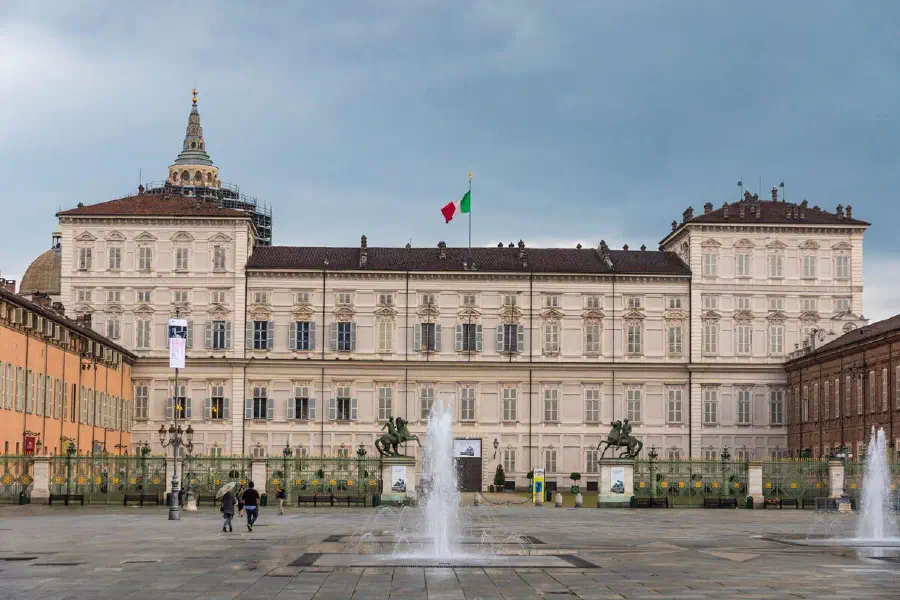
Centro is located in the historic core of Turin. Expats in the area can enjoy exploring the lively streets lined with shops, cafes, and restaurants. One of the most famous destinations in the area is Piazza Castello, a picturesque square that houses the Royal Palace and numerous cultural attractions. The streets in the neighborhood are bustling with different types of people, creating a vibrant and cosmopolitan atmosphere.
What type of accommodation can you find in Centro?
Accommodation prices in Centro can vary depending on the specific location and type of property. Entry-level and standard apartments are the most common options, catering to a wide range of budgets. The size of apartments in terms of bedrooms can vary, with typical options ranging from one to three bedrooms and a few having four to five. The size of apartments typically ranges from around 30 to 80 square meters.
See accomodations prices in CentroWhat to do in Centro?
Centro is home to several remarkable museums, including the Museo Egizio, which houses one of the largest collections of Egyptian antiquities outside of Egypt. Expats can visit the Museo del Cinema in the Mole Antonelliana, a popular destination for film enthusiasts. Expats can also enjoy a variety of recreational activities, such as exploring Giardini Reali di Torino, a garden in the Royal Palace.
Centro is also home to the University of Turin, one of the best universities in the country, providing world-class education to university students. Expatriates can also send children to Vittoria Junior International School, which offers bilingual educational programs from nursery to senior high-school.
Who is Centro best for?
We recommend Centro to digital nomads, couples, and families who are looking for a dynamic environment and convenient location. It is an ideal neighborhood for expats who enjoy being at the center of cultural events, exploring historical landmarks, and experiencing the vibrant nightlife. The schools in the area meet the needs of expat families, and the well-developed public transportation system makes owning a vehicle optional. We recommend those looking for a quieter area in Centro to live in the outskirts near the Croceta district.
Aurora “The Creative District”
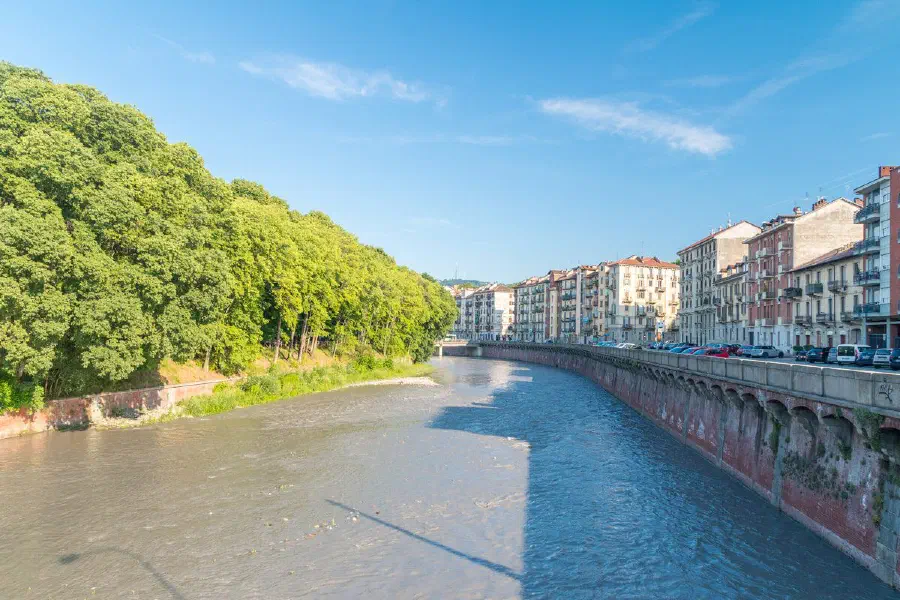
Aurora, located in the northern part of Turin, is a neighborhood known for its cultural diversity and lively bars. Expats in Aurora often find themselves enjoying the local markets, exploring the unique shops, and experiencing the vibrant street art scene that adds character to the area. The ambience of district is characterized by its lively streets, colorful buildings, and cobbled streets.
What type of accommodation can you find in Aurora?
Accommodation prices in Aurora are generally affordable, with a range of options available. Entry-level and standard apartments are the most common, with sizes ranging from 40 to 90 square meters, Apartments generally range from one to three bedrooms, suitable for individuals, couples, and small families. The area is well-connected to public transportation. Additionally, there are bike-sharing programs and pedestrian-friendly streets, offering alternative transportation options for those who prefer to explore on foot or by bicycle.
See accomodations prices in AuroraWhat to do in Aurora?
You will find in Aurora the Lavazza Museum, which is a must-visit for expats who want to learn more about coffee and its significance. Another notable attraction is Casa Don Bosco, featuring the place where Saint Don Bosco once lived. We also suggest that expats looking for recreational activities visit Zero-Gravity Torino, an amusement park where you can enroll to learn acrobatics, gymnastics, and parkour. Foreigners looking to unwind in nature can visit Parco Pietro Colletta, a green space with refreshing walking paths and picnic areas.
Who is Aurora best for?
We recommend Aurora to expatriates looking for a lively and culturally diverse neighborhood. It suits expat families, couples, and individuals who enjoy an active lifestyle. The area offers a vibrant atmosphere with plenty of social and recreational opportunities. However, there is a lack of international schools in the area. Owning a vehicle is necessary for expat families looking to send their children to reputable international schools, which are mostly located in the neighboring district of Centro.
Crocetta “The Elegant Neighborhood”
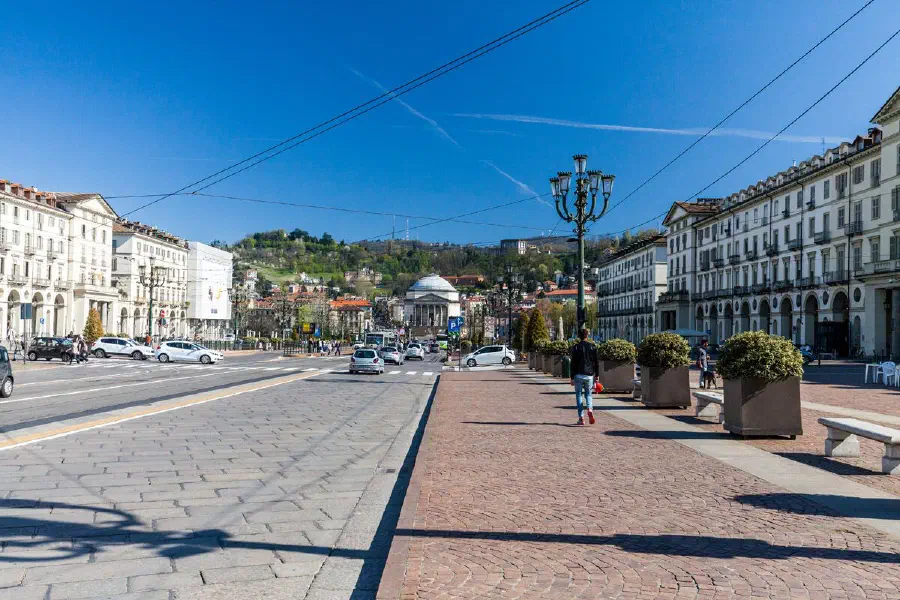
Crocetta, derived from the Italian word "croce" meaning cross, is a charming neighborhood with a central location. The area is an upscale neighborhood with elegant buildings, tree-lined streets, and upscale shops. You can enjoy a range of activities and amenities because the area is home to upscale shops, designer boutiques, and trendy cafes, where you can indulge in shopping, fine dining, and socializing.
What type of accommodation can you find in Crocetta?
The accommodation prices in Crocetta ranges from standard to premium apartments. The area offers spacious apartments with two to four bedrooms, and some even accommodating up to six bedrooms, making them ideal for large families seeking comfortable living spaces. The sizes of the apartments typically range from 70 to 110 square meters.
Villas and penthouses are also available for bigger and exclusive accommodation. The district is well-connected to the metro and has easy access to public transportation, making it convenient for residents to navigate the city and explore other areas.
See accomodations prices in CrocettaWhat to do in Crocetta?
Crocetta boasts several prominent museums, including the Galleria Civica d'Arte Moderna e Contemporanea, which houses an extensive collection of artworks by Italian and international artists. We recommend the Golf Club Cherasco, a popular club and restaurant, for expatriates looking to engage in sports and socialize with like-minded individuals. We also highly recommend visiting Corso Alcide De Gasper, a historic street, that features upscale options for fashion, and local businesses offering fine dining experiences.
Who is Crocetta best for?
We recommend Crocetta to expatriates looking for an exclusive and well-maintained neighborhood. It appeals to families and couples, including professionals seeking a vibrant community. The area offers a balance between a peaceful residential area and a lively atmosphere, with its proximity to amenities and recreational options.
The schools in the area are English language schools, which may not be suitable for expatriate families' educational needs. Owning a vehicle is convenient for expat families looking to send their children to a good international school, located in the district of Centro.
Borgo Po “The Rejuvenating Neighborhood”
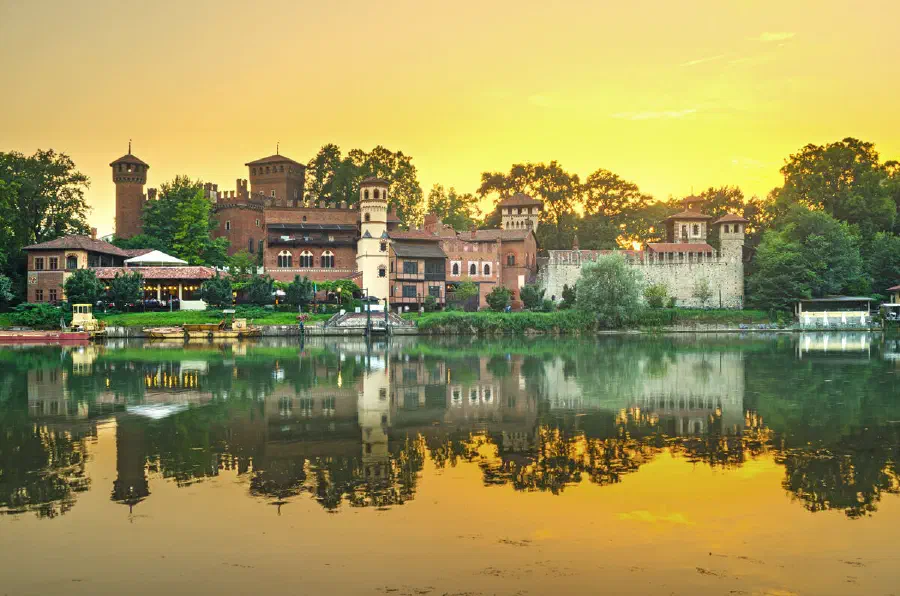
Borgo Po is a beautiful neighborhood located in the city, known for its picturesque settings. The neighborhood is characterized by its beautiful parks, tree-lined streets, scenic river views, and well-preserved architecture. Expats in the area can enjoy a variety of activities, such as strolling in the parks, outdoor activities by the river and visiting historical landmarks. The area offers a refreshing and peaceful ambience for it residents.
What type of accommodation can you find in Borgo Po?
The most common types of accommodation in the area are standard and premium apartments. These apartments are typically spacious and well-appointed, providing comfortable living spaces for foreigners. The apartments in Borgo Po come in different sizes, typically offering two to four bedrooms, around 70 to 150 square meters. Premium accommodations, such as villas, detached houses and penthouses are available on the riverside along Corso Moncalieri.
See accomodations prices in Borgo PoWhat to do in Borgo Po?
We recommend you to visit the popular attractions in the area, which is the Villa Della Regina, a stunning historical palace surrounded by beautiful gardens. Expats interested in the wonders of the natural world can visit the Museum of Natural History "Don Bosco," which showcases collections of natural specimens and wildlife exhibits. Foreigners can send their children to Saint Denis School, an extension of Cambridge International School, providing a high standard of education and a multicultural environment. Additionally, Borgo Po offers a unique transportation option with its scenic riverfront, where residents can enjoy boat rides or walks along the riverbank.
Who is Borgo Po best for?
We recommend Borgo Po to expat families, couples, and individuals looking for a peaceful and scenic living environment. The neighborhood offers a rejuvenating and laid-back lifestyle, with its well-maintained streets and proximity to nature. The area is ideal for foreign families because of the proximity to international schools and conducive learning environment. A vehicle is unnecessary due to the area's accessibility to public transportation, but we recommend it for convenience to expats planning to explore the surrounding regions.